From the scene
hola
hello
¡Hola!Hello!

la abuelafem.
grandmother
Learn la abuela together: the article shows this noun's grammatical gender.
Soy Lucía. Elvira es mi abuela. ¿Eres el nuevo vecino?I am Lucía. Elvira is my grandmother. Are you the new neighbour?
Soy Lucía. Elvira es mi abuela. ¿Eres la nueva vecina?I am Lucía. Elvira is my grandmother. Are you the new neighbour?
tener
have
Sí. Me llamo Lukas. ¡Tienes mi llave!Yes. My name is Lukas. You have my key!
Sí. Me llamo Lena. ¡Tienes mi llave!Yes. My name is Lena. You have my key!
de nada
you’re welcome
muy
very
Muy bien. Voy a la cafetería.Good. I am going to the café.
Muy bien. Voy a la cafetería.Good. I am going to the café.
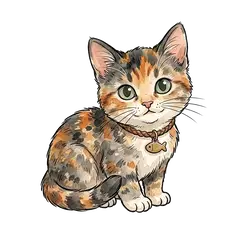
el gatomasc.
cat / tomcat
Learn el gato together: the article shows this noun's grammatical gender.
¡Gato malo!Naughty cat!
¡Gato malo!Naughty cat!
malo / mala
bad / naughty
¡Gato malo!Naughty cat!
¡Gato malo!Naughty cat!
solo
only / just
¡Michi! No es malo. Solo tiene hambre.Michi! He is not naughty. He is just hungry.

tener hambre
be hungry
¡Yo también! Tengo hambre.Me too! I am hungry.
¡Yo también! Tengo hambre.Me too! I am hungry.
también
too / also
¡Yo también! Tengo hambre.Me too! I am hungry.
¡Yo también! Tengo hambre.Me too! I am hungry.

bueno / buena
good
Buenas noches.Good evening.
Buenas noches.Good evening.
aquí
here

la cafeteríafem.
café
Learn la cafetería together: the article shows this noun's grammatical gender.
Abajo. Allí está la cafetería.Downstairs. The café is there.
dónde
where
¿Y dónde está?And where is it?
¿Y dónde está?And where is it?
abajo
downstairs
Abajo. Allí está la cafetería.Downstairs. The café is there.

ir
go
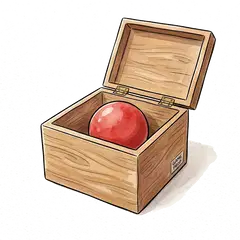
en
in
New in this unit

el perromasc.
dog
Learn el perro together: the article shows this noun's grammatical gender.
El perro tiene hambre.The dog is hungry.
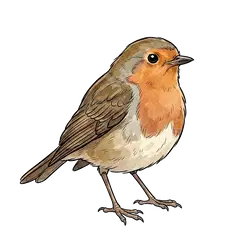
el pájaromasc.
bird
Learn el pájaro together: the article shows this noun's grammatical gender.
El pájaro está arriba.The bird is upstairs.

la niñafem.
girl
Learn la niña together: the article shows this noun's grammatical gender.
La niña es Lucía.The girl is Lucía.
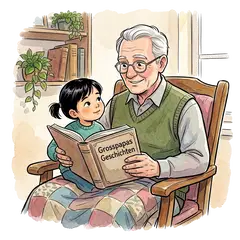
el abuelomasc.
grandfather
Learn el abuelo together: the article shows this noun's grammatical gender.
El abuelo vive aquí.The grandfather lives here.
Practice 1/7 · Pictures
Pictures and words
Match the words to the pictures.
Practice 2/7 · Listening
Listen and choose
Listen and choose the word you hear.
abajo: downstairs
el pájaro: bird
aquí: here
muy: very
el perro: dog
Practice 3/7 · Meanings
What does it mean?
el abuelo
en
el gato
bueno / buena
el pájaro
hola
Practice 4/7 · Fill the gaps
Words in a useful message
Fill the gaps with the words from the box.
Elvira es mi .
Elvira is my grandmother.
Tengo .
I am hungry.
La cafetería está .
The café is downstairs.
Michi no es .
Michi is not naughty.
Practice 5/7 · Comic strip
A small comic
Fill the speech bubbles.
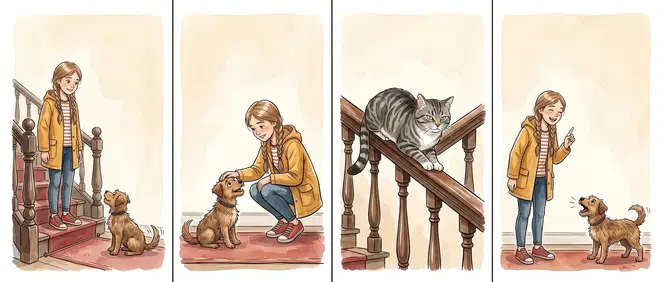 1 Lukas
¿Es tu ?
Is that your dog?
2 LucíaSí. Tiene .
Yes. He is hungry.
3 Lukas¿Y el ?
And the cat?
4 LucíaMichi no es malo. Él tiene hambre.
Michi is not naughty. He is hungry too.
1 Lena¿Es tu ?
Is that your dog?
2 LucíaSí. Tiene .
Yes. He is hungry.
3 Lena¿Y el ?
And the cat?
4 LucíaMichi no es malo. Él tiene hambre.
Michi is not naughty. He is hungry too.
Practice 6/7 · Matching
Match the meanings
Match the pairs.
Practice 7/7 · In situations
What fits this moment?
Choose the right words for the situation.
Lucía thanks you for helping her. Answer the thanks.
You say:
De nada is the response to thanks.
Lucía thanks you for helping her. Answer the thanks.
You say:
De nada is the response to thanks.
Unit complete