LernLaterne

Welcome back

Unit 27 · styles and keyboard · Meet

styles and keyboard

Recognise familiar print across fonts and understand handwriting styles.

About this unit

Recognise known words in other print styles, and type Arabic letters.

  • Naskh and Kufi-inspired print change curves and proportions; the letters and dots stay the same.
  • Type the plain letters; the font joins them for you.
  • Vowel marks are separate keys and are not needed for normal print.

Read the examples

Tap a card and listen. Try saying it too.

Words to read

book

كتاب

bookkitāb

سلام

hello / peacesalām
door

باب

doorbāb
Reading tips

The usual course cards use a clear modern print font. Here known words appear in Naskh and in Kufi-inspired print, with different curves, spacing and proportions. Follow the familiar letter shapes and dots. Ruqʿa is common in everyday handwriting; it is background for later reading beyond these print samples.

Use the standard Arabic keyboard or course tiles. Enter logical letters and let the font join them. ا د ذ ر ز و never join to the next letter. Optional vowel marks are separate tiles; they are not required when the task asks for normal unmarked print.

Reading practice

Read with support

Match the words to their pictures.

Read without a sound cue

Match the words to their pictures.

Sound to spelling

Listen. Choose the spelling.

Spelling to sound

Read the word. Choose its sound.

كتاب

Sound to spelling

Listen. Choose the spelling.

Read and decide

Recognise the familiar word in Naskh print.

كتاب

Read and decide

Recognise a known word in Kufi-inspired print.

باب

Build the word

Listen and build the word in typing order.
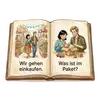
book

Build the word

Listen and build the word in typing order.
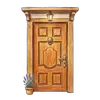
door

Recall the spelling

Listen and build the word without its picture.

Build the word

Listen and build the word in typing order.

Recall the spelling

Listen and build the word without its picture.

Finish practice to save this unit.

You can read and write this

Recognise familiar print across fonts and understand handwriting styles.

Next unit
book

كتاب

book

سلام

hello / peace
door

باب

door
Use a Arabic keyboard

Standard Arabic keyboard or course tiles. Enter logical letters; the font shapes joins. Numbers retain normal digit order. Optional vowel marks are separate inputs.

All letters

ا
اisolated‍اfinal
long ā: held longerIn بَا
i

ā

ب
بisolated‍بfinalب‍initial‍ب‍medial
In بَ
i

ba

ت
تisolated‍تfinalت‍initial‍ت‍medial
In تَ
i

ta

ن
نisolated‍نfinalن‍initial‍ن‍medial
In نَ
i

na

ي
يisolated‍يfinalي‍initial‍ي‍medial
In يَ
i

ya / ī

د
دisolated‍دfinal
In دَ
i

da

ر
رisolated‍رfinal
In رَ
i

ra

و
وisolated‍وfinal
In وَ
i

wa / ū

م
مisolated‍مfinalم‍initial‍م‍medial
In مَ
i

ma

ل
لisolated‍لfinalل‍initial‍ل‍medial
In لَ
i

la

ك
كisolated‍كfinalك‍initial‍ك‍medial
In كَ
i

ka

ق
قisolated‍قfinalق‍initial‍ق‍medial
In قَ
i

qa

س
سisolated‍سfinalس‍initial‍س‍medial
In سَ
i

sa

ش
شisolated‍شfinalش‍initial‍ش‍medial
In شَ
i

sha

ف
فisolated‍فfinalف‍initial‍ف‍medial
In فَ
i

fa

ه
هisolated‍هfinalه‍initial‍ه‍medial
In هَ
i

ha

ة
ةisolated‍ةfinal
In كُرَة
i

final -a / -at. Final-only form: normally -a in pause, -at in linked grammar.

ج
جisolated‍جfinalج‍initial‍ج‍medial
In جَ
i

ja

ح
حisolated‍حfinalح‍initial‍ح‍medial
throat ḥ: a tight, rubbing hIn حَ
i

ḥa

خ
خisolated‍خfinalخ‍initial‍خ‍medial
kh: rough, as in “loch”In خَ
i

kha

ع
عisolated‍عfinalع‍initial‍ع‍medial
ʿayn: tight, with a buzzIn عَ
i

ʿa

غ
غisolated‍غfinalغ‍initial‍غ‍medial
gh: a gargle, with a buzzIn غَ
i

gha

ز
زisolated‍زfinal
In زَ
i

za

ذ
ذisolated‍ذfinal
In ذَ
i

dha. Voiced th as in English this.

ث
ثisolated‍ثfinalث‍initial‍ث‍medial
In ثَ
i

tha. Voiceless th as in English thin.

ص
صisolated‍صfinalص‍initial‍ص‍medial
emphatic s: deep and heavyIn صَ
i

ṣa

ض
ضisolated‍ضfinalض‍initial‍ض‍medial
emphatic d: deep and heavyIn ضَ
i

ḍa

ط
طisolated‍طfinalط‍initial‍ط‍medial
emphatic t: deep and heavyIn طَ
i

ṭa

ظ
ظisolated‍ظfinalظ‍initial‍ظ‍medial
emphatic dh: deep and heavyIn ظَ
i

ẓa

◌ْIn بِنْت
i

sukun: no vowel

◌ّIn مُعَلِّم
i

shadda: doubled consonant

◌ٌIn كِتَابٌ
i

tanwin -un

◌ًIn صَبَاحًا
i

tanwin -an

◌ٍIn قَلَمٍ
i

tanwin -in

ءa glottal stop, as in “uh-oh”In مَاء
i

glottal stop

أ
أisolated‍أfinal
glottal stop on alifIn أَب
i

glottal stop on alif

إ
إisolated‍إfinal
glottal stop below alifIn إِبْرَة
i

glottal stop below alif

ؤ
ؤisolated‍ؤfinal
glottal stop on wawIn سُؤَال
i

glottal stop on waw

ئ
ئisolated‍ئfinalئ‍initial‍ئ‍medial
glottal stop on a ya seatIn رَئِيس
i

glottal stop on ya seat

آ
آisolated‍آfinal
glottal stop + long āIn آدَم
i

glottal onset plus long ā

ى
ىisolated‍ىfinal
final long ā, no dotsIn مُسْتَشْفَى
i

final long ā. Final-only alif maqṣūra, without ya dots.