Passive: present and perfect
B1
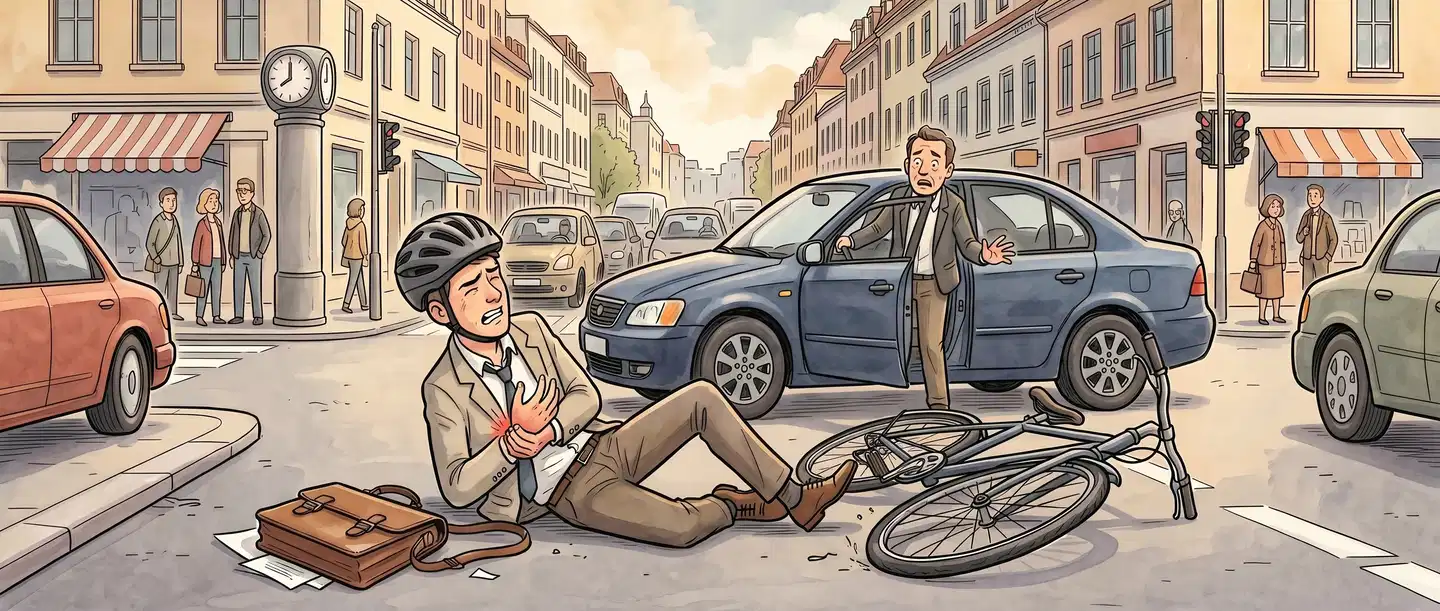
In the passive, what matters is what happens, not who does it: Das Haus wird gebaut. You learn present and perfect passive — typical for reports, instructions, and factual texts.
- Passive voice, present
- Passive voice, present perfect
Grammar → Passive: present and perfect
Find words
Which form of werden fits?
Passive perfect
Find words
How does the passive perfect end?
Put sentences in order
Fill in the blanks
Grammar in context
Read these texts to consolidate what you learned. They fit this grammar lesson especially well.


Premium
Unlock all exercises for "Passive: present and perfect"
Practice the grammar point with interactive exercises — find words in sentences, fill-in-the-blanks, and more, with instant feedback.
- Read all endings
- 1319 exercises

- 140 texts as PDF
- 75 grammar lessons
FREE
Start with a little curiosity.
PopularSOLO
Make learning your everyday habit.
3/mo
- Full access to all 103 German stories and 37 dialogs
- Audio, word lookup, exercises and downloadable PDFs
- 9 extra course stories with familiar characters
- 108 practice units · 699 interactive activities
- 162 course worksheets, plus answer sheets
Choose
36/year
8/mo
- Full access to all 103 German stories and 37 dialogs
- Audio, word lookup, exercises and downloadable PDFs
- 9 extra course stories with familiar characters
- 108 practice units · 699 interactive activities
- 162 course worksheets, plus answer sheets
Choose
36/year
EDU
Bring your whole classroom along.
8/mo
- Everything in SOLO, ready for your classroom
- 50 student accounts included, expandable in steps of 50
- Education portal with groups, invite links and results
15/mo
- Everything in SOLO, ready for your classroom
- 50 student accounts included, expandable in steps of 50
- Education portal with groups, invite links and results