Anna geht einkaufen

Anna Goes Shopping

Anna geht einkaufen

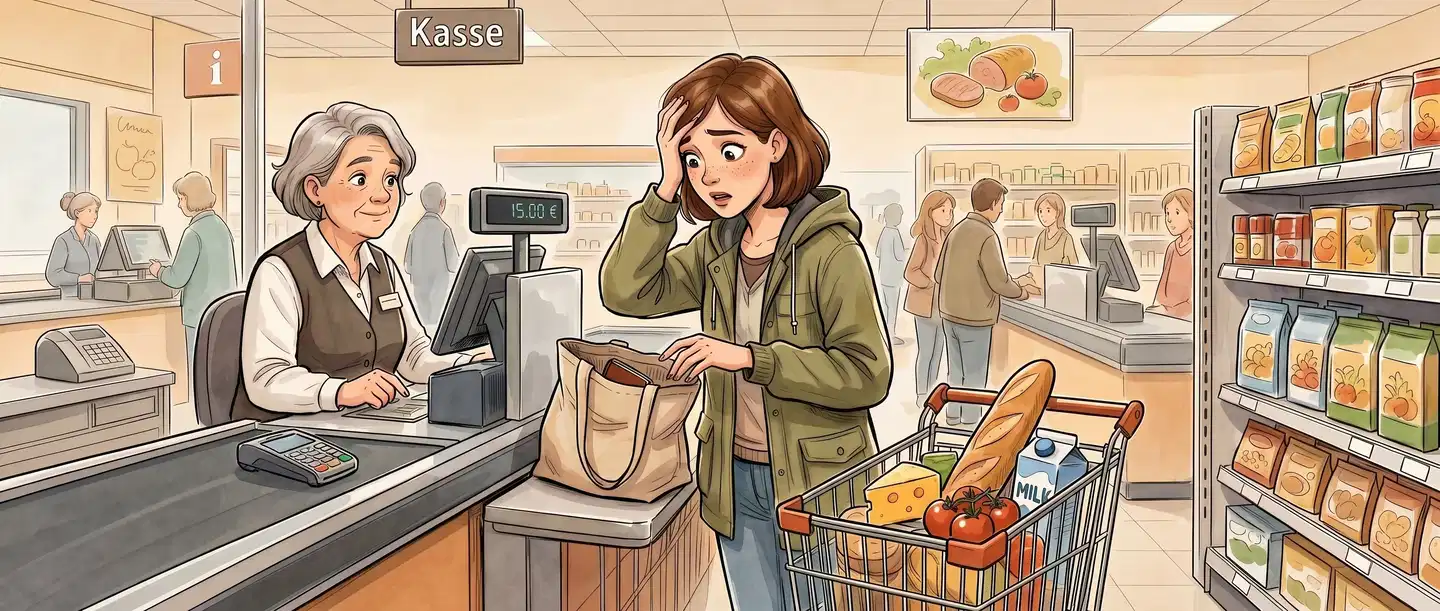
Anna forgot her wallet!

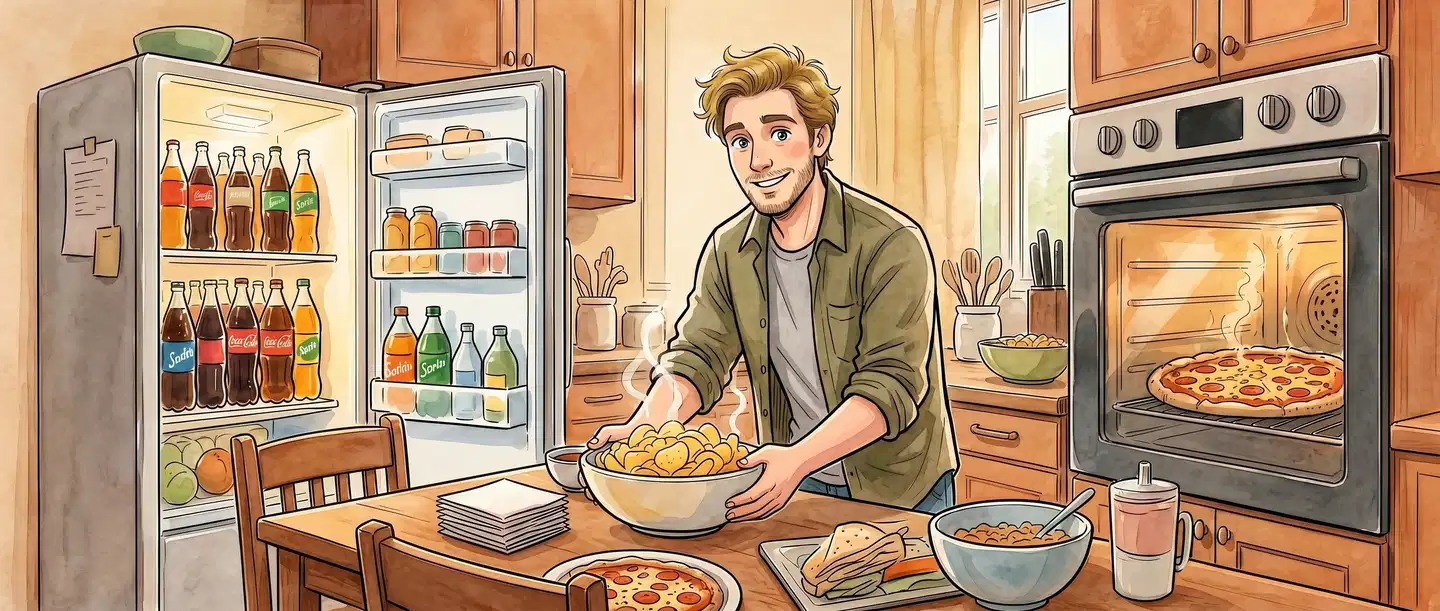
Annas Geburtstag

Anna's Birthday

Annas Geburtstag

What should Anna eat for her birthday?

Das Festival

The Festival

Das Festival

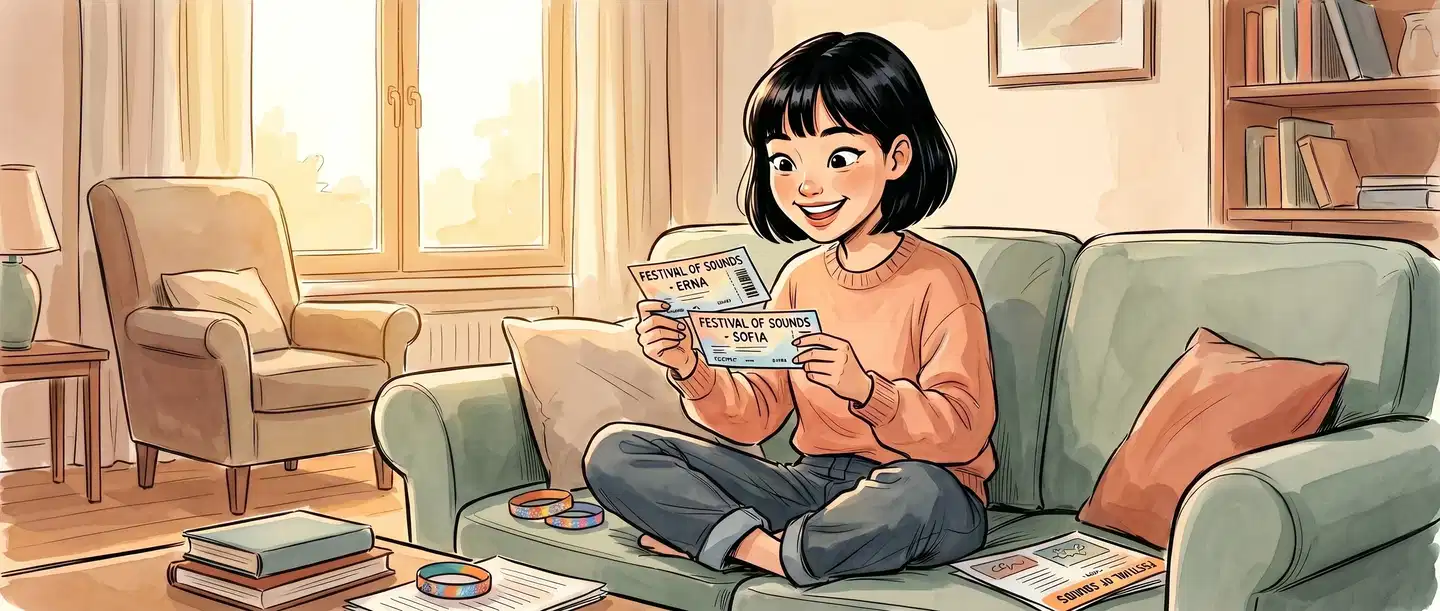
Erna's friend is sick. Is Erna going to the festival alone?

Der Brief

The Letter

Der Brief

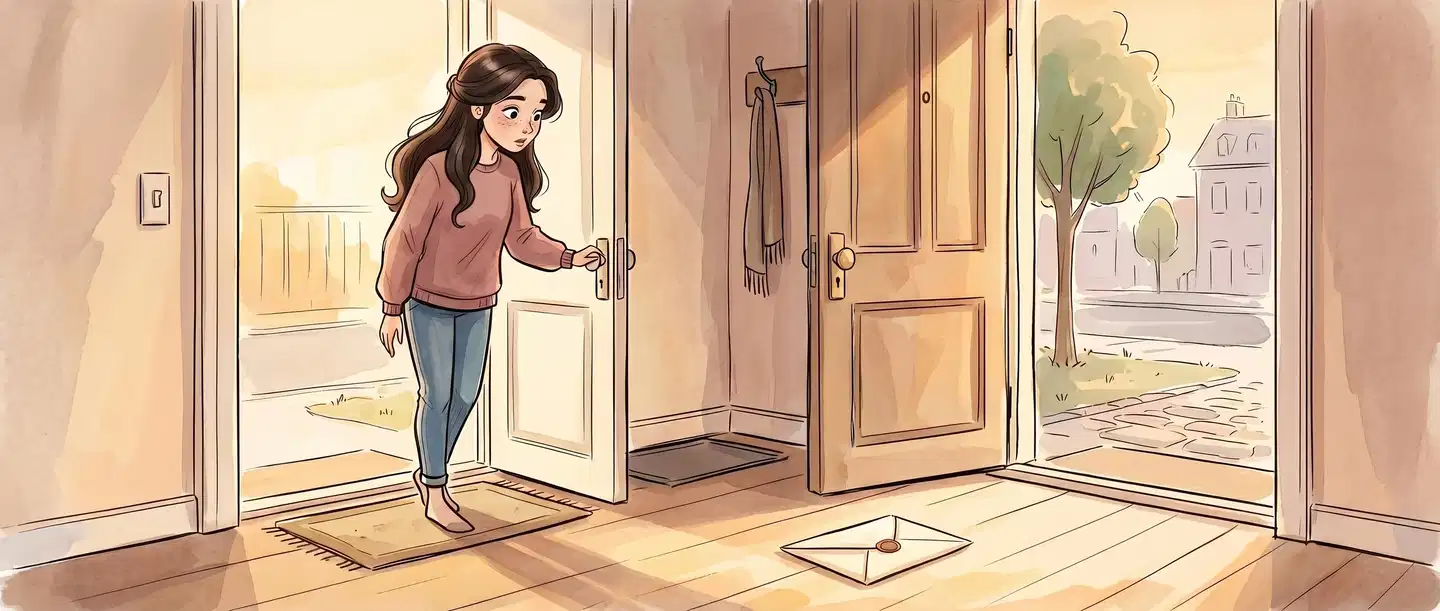
A letter without a name. Who is it for?

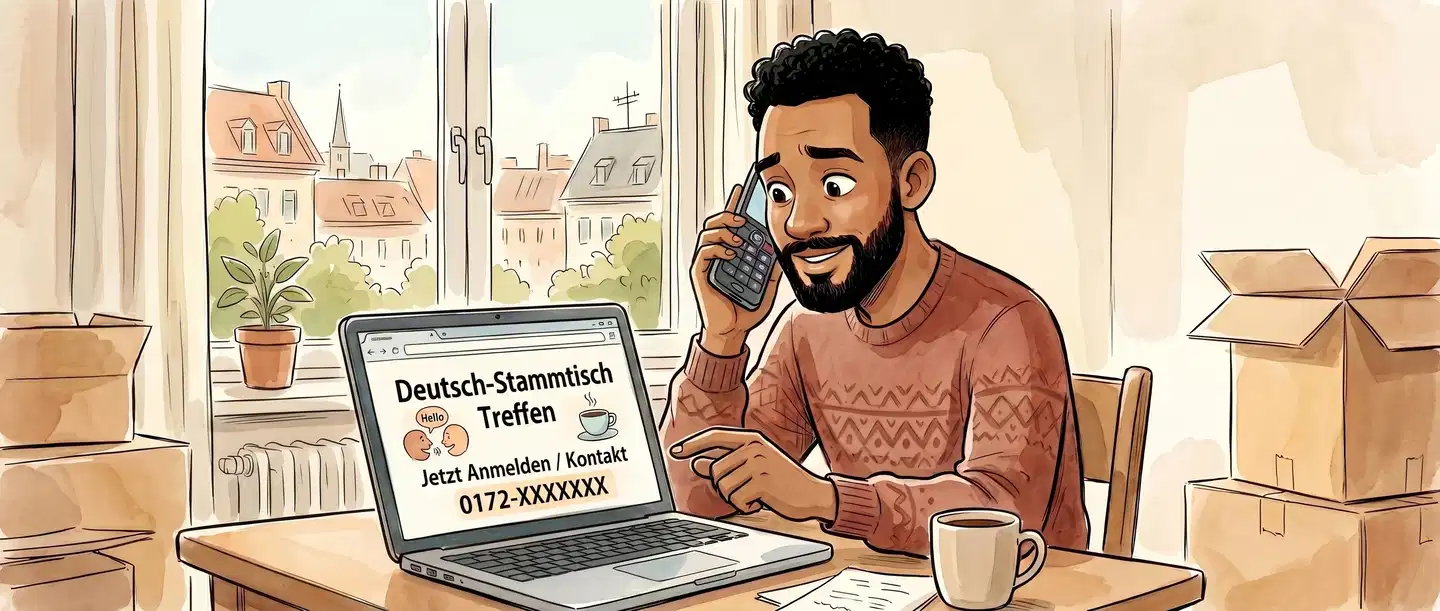
Der Deutsch-Stammtisch

The German Meetup

Der Deutsch-Stammtisch

Will Simon meet new people at the meetup?

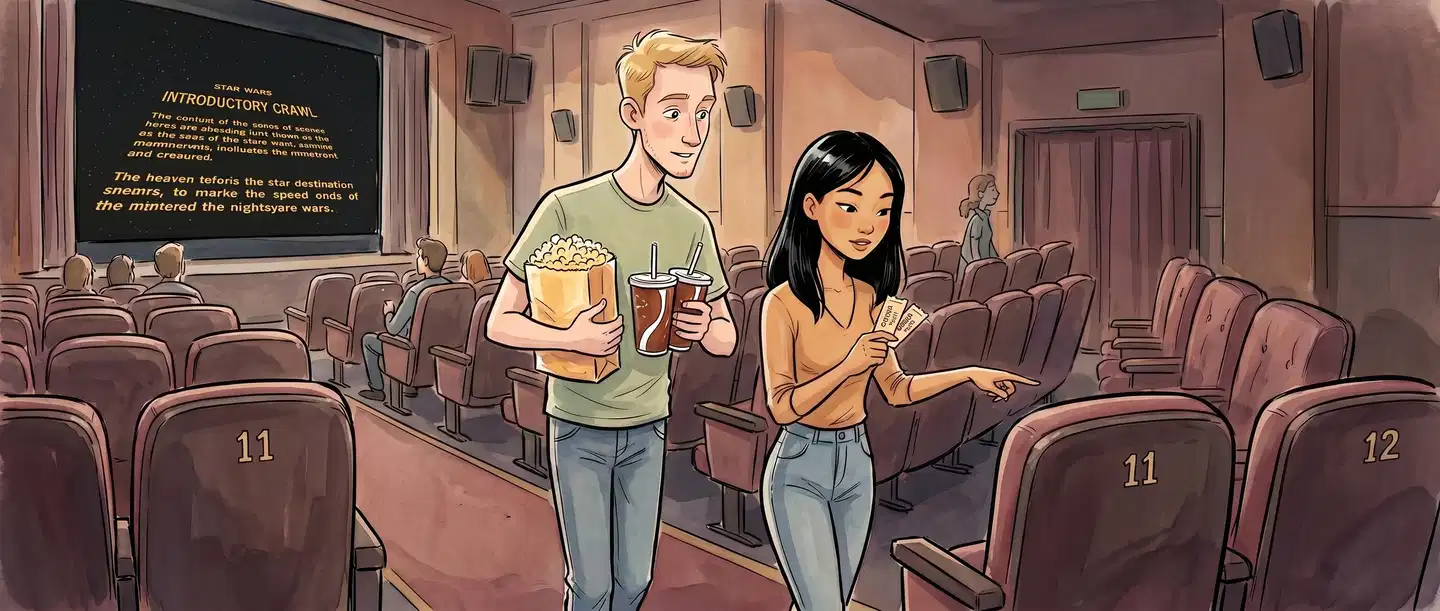
Der Film

The Movie

Der Film

A great movie or a boring evening?

Der Schlüssel

The Key

Der Schlüssel

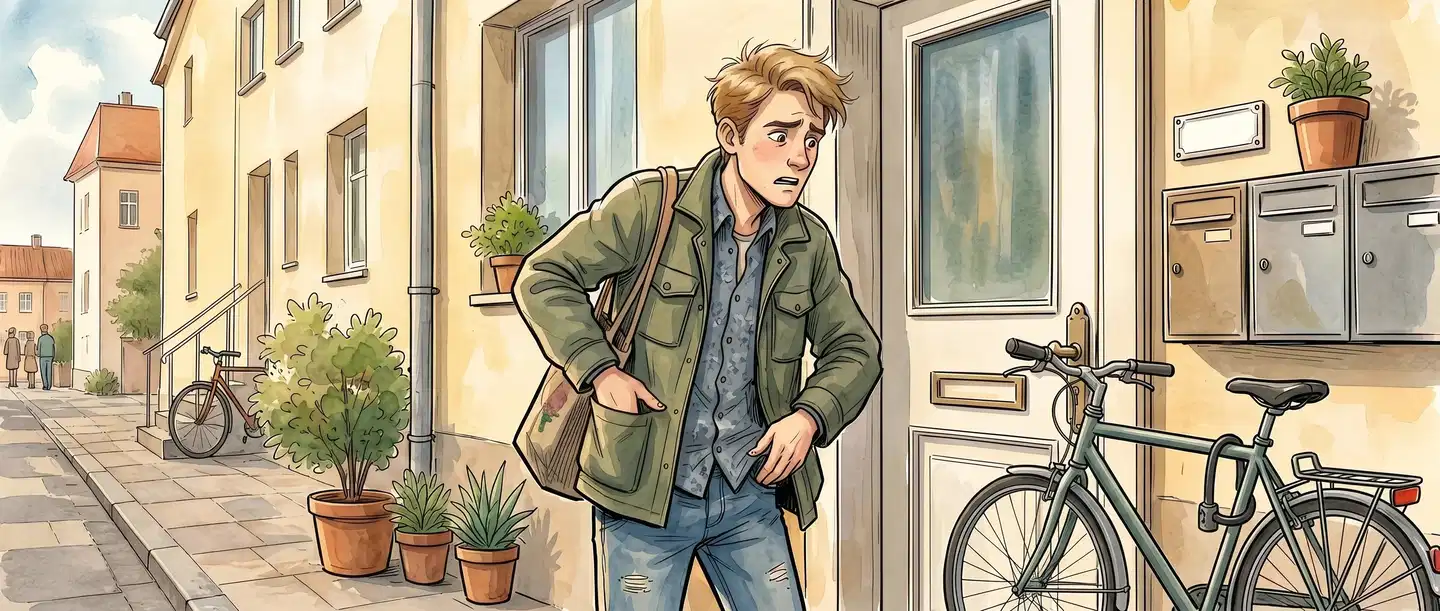
Felix can't find his key. What now?

Die Fahrkarte

The Ticket

Die Fahrkarte

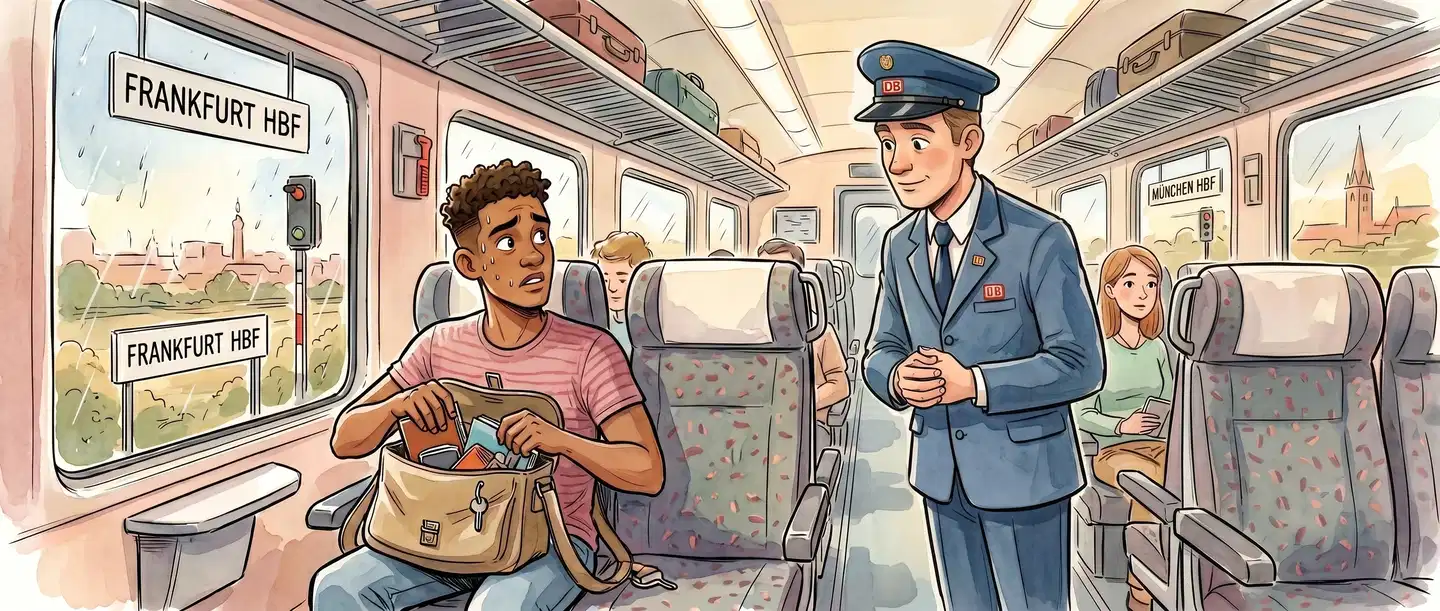
Where is Tim's ticket?

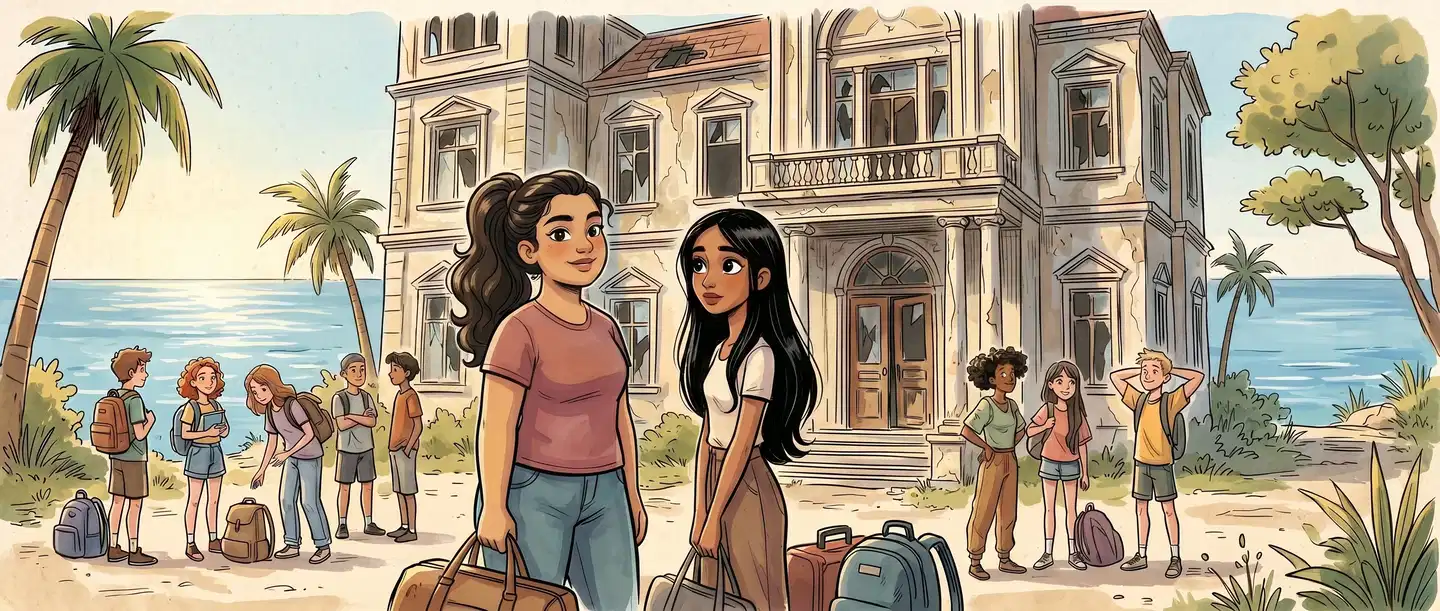
Die Klassenfahrt

The School Trip

Die Klassenfahrt

Are the students sleeping in a hotel or not?

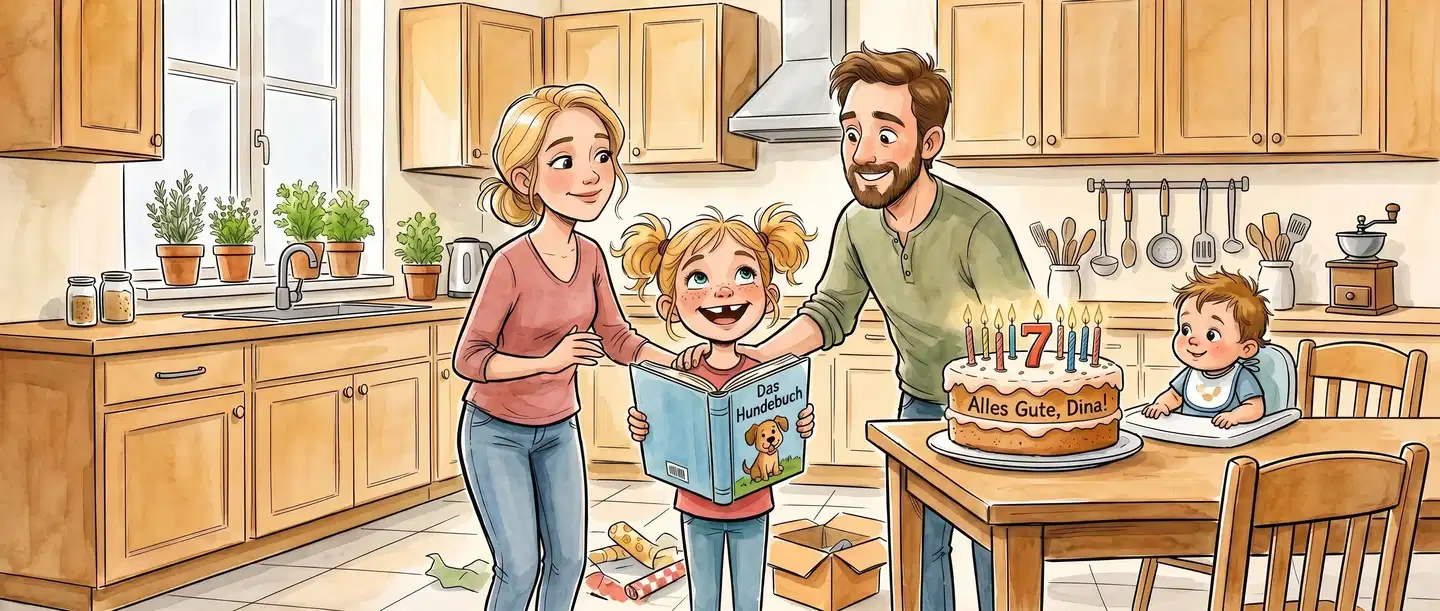
Dinas Geburtstag

Dina's Birthday

Dinas Geburtstag

Who is ringing the doorbell on Dina's birthday?

Ein Tag am See

A Day at the Lake

Ein Tag am See

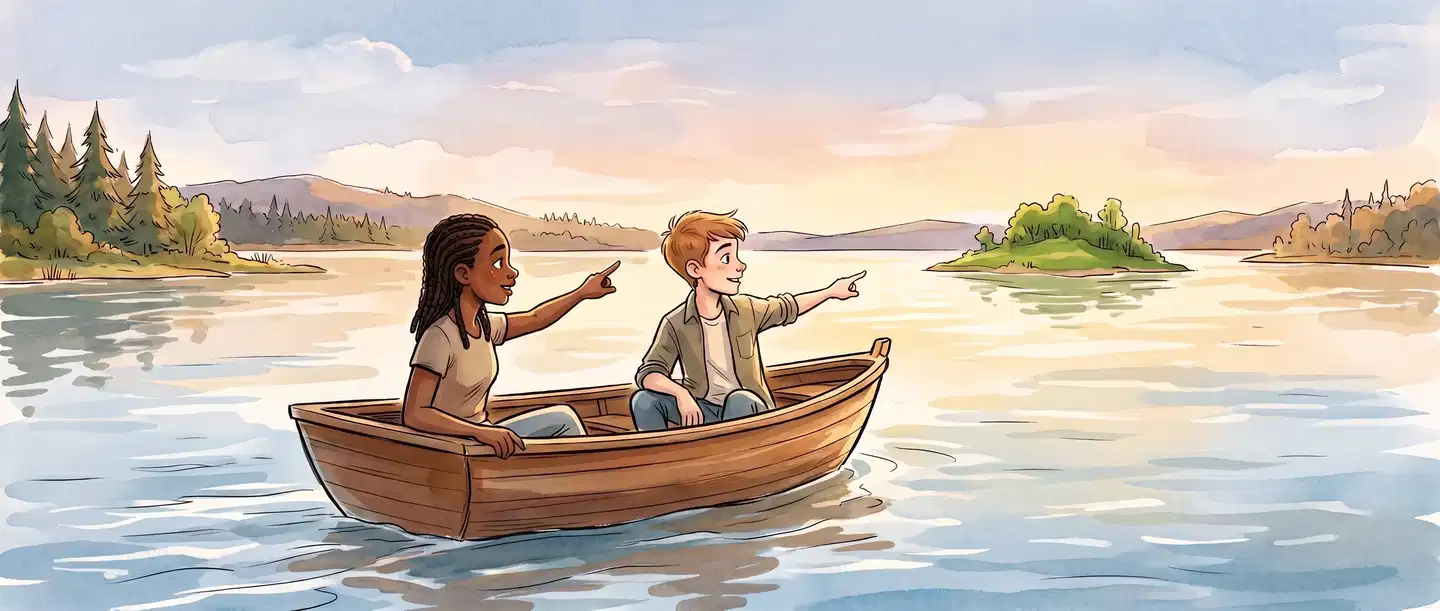
A boat trip, a mysterious island, and a lost bag.

Ein Tag im Hotel

A Day at the Hotel

Ein Tag im Hotel

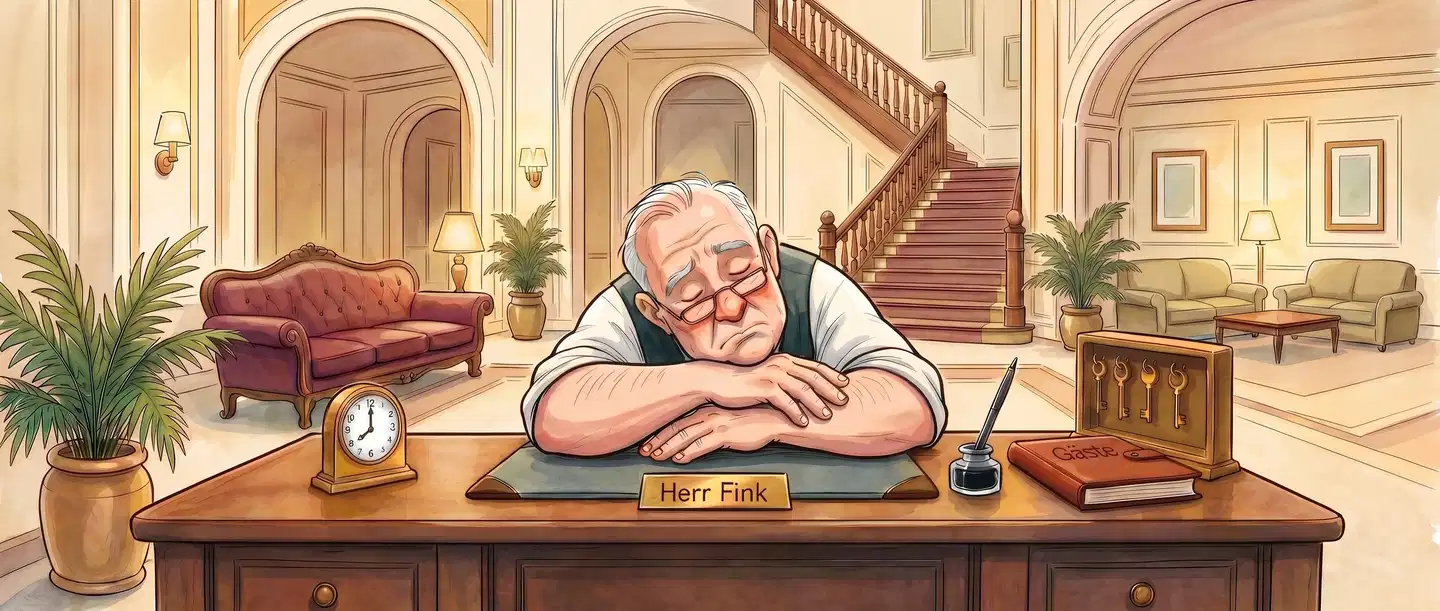
A tired receptionist, a closed pool, and a broken TV.

Emils Hobbys

Emil's Hobbies

Emils Hobbys

Emil can't do his hobby. What now?

Emmas Haus

Emma's House

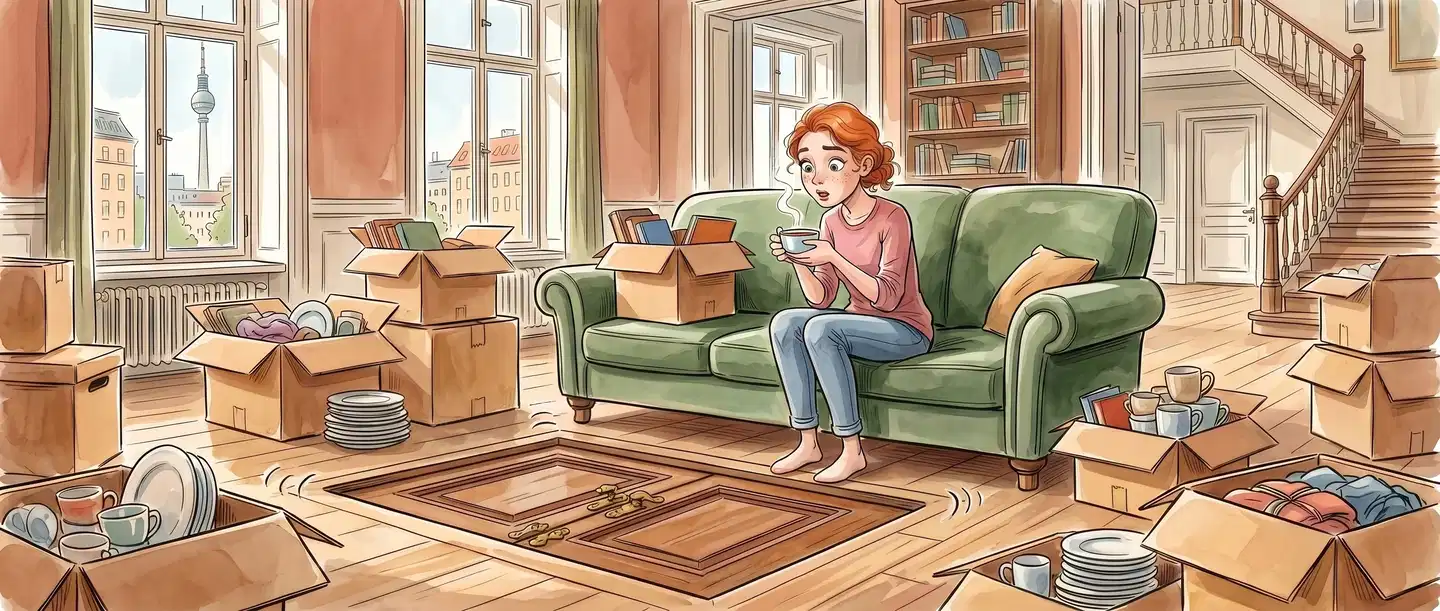
Emmas Haus

Emma is moving. Does she like the new house?

Hannah und das Buch

Hannah and the Book

Hannah und das Buch

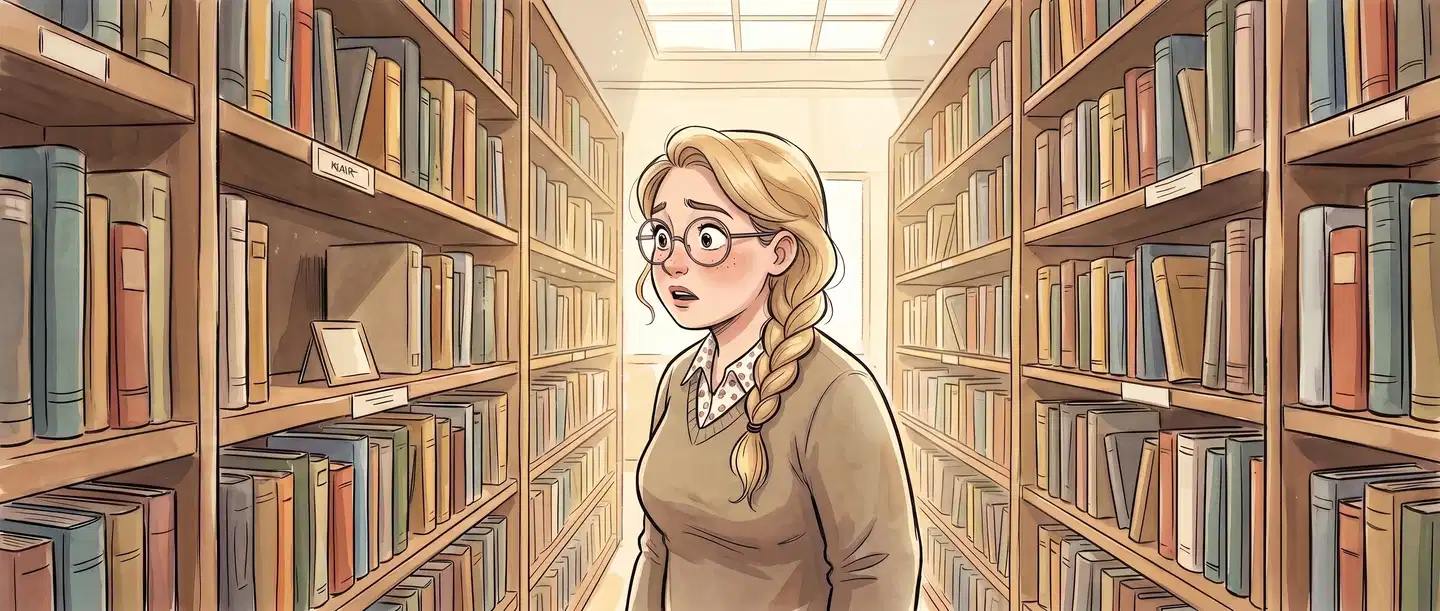
An expensive book is missing. What does Hannah do?

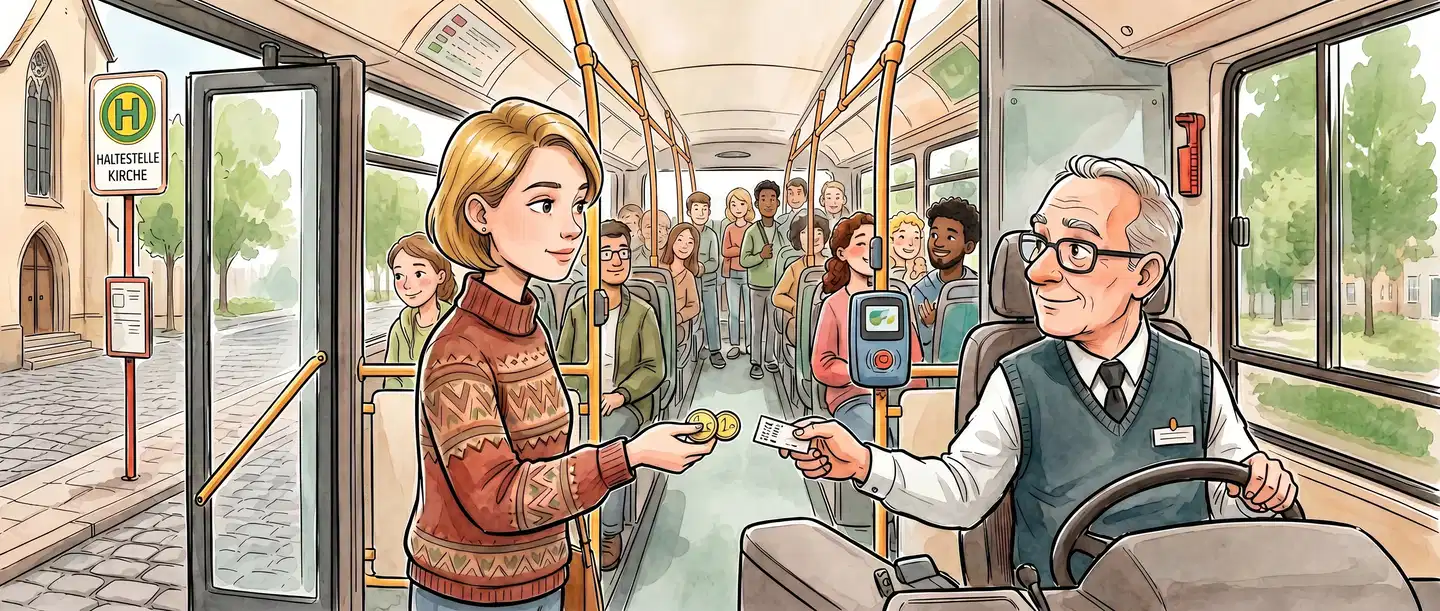
Im Bus

On the Bus

Im Bus

Will Sandra find a seat on the crowded bus?

Im Park

In The Park

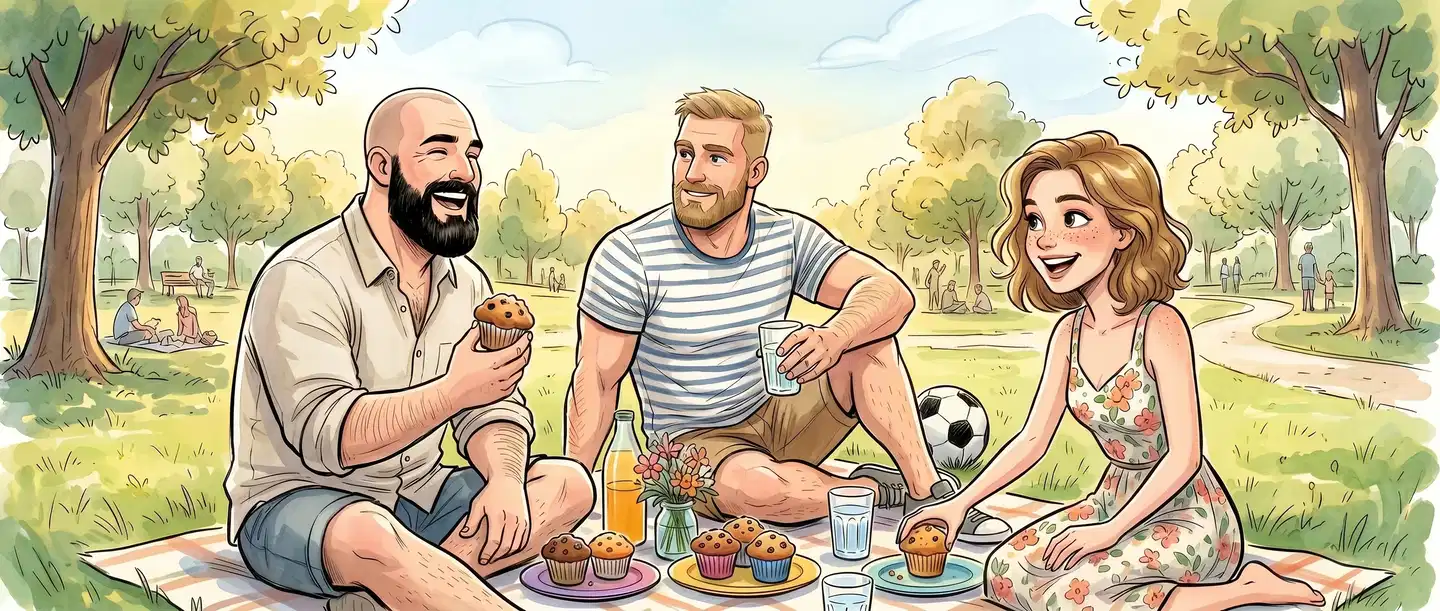
Im Park

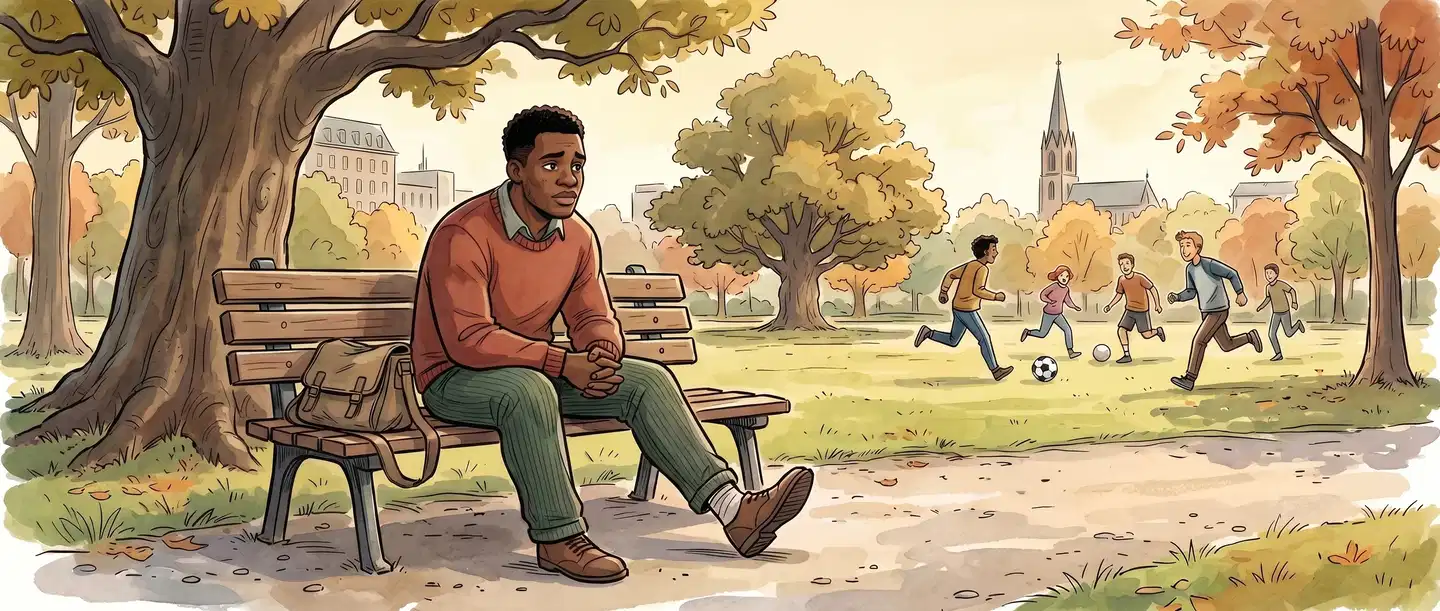
The bird can't fly. What to do?

In der Pizzeria

At the Pizzeria

In der Pizzeria

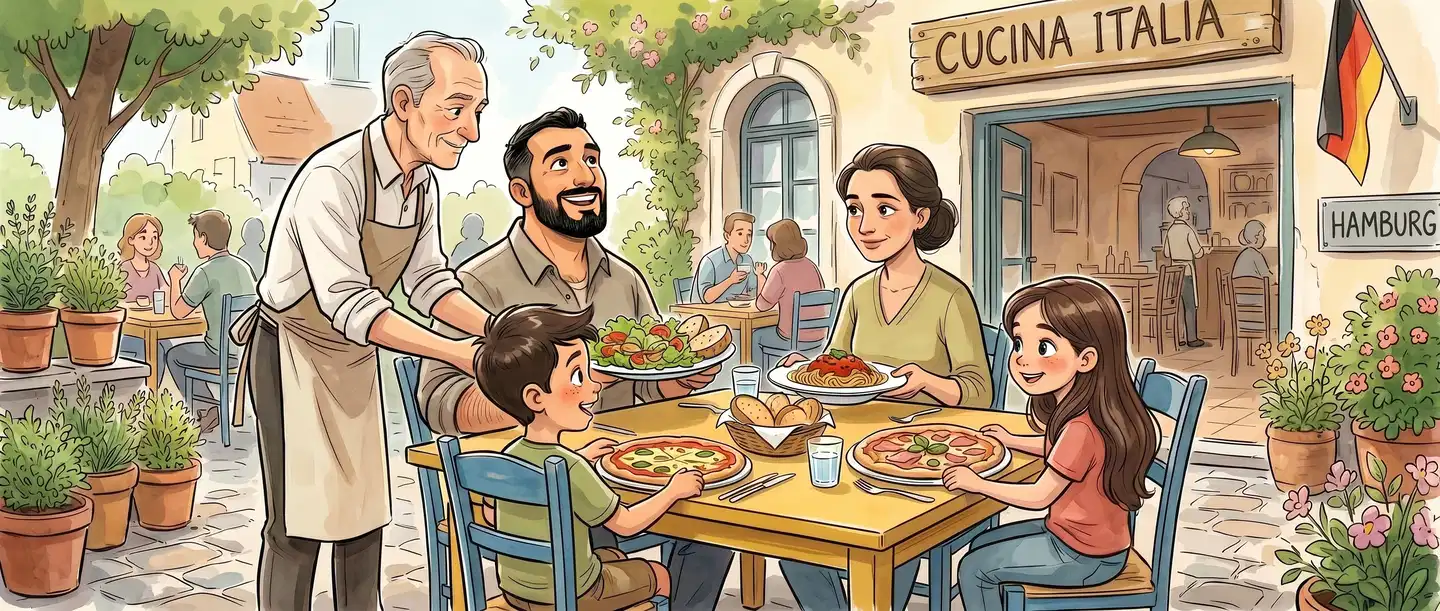
Tarik celebrates at the pizzeria.

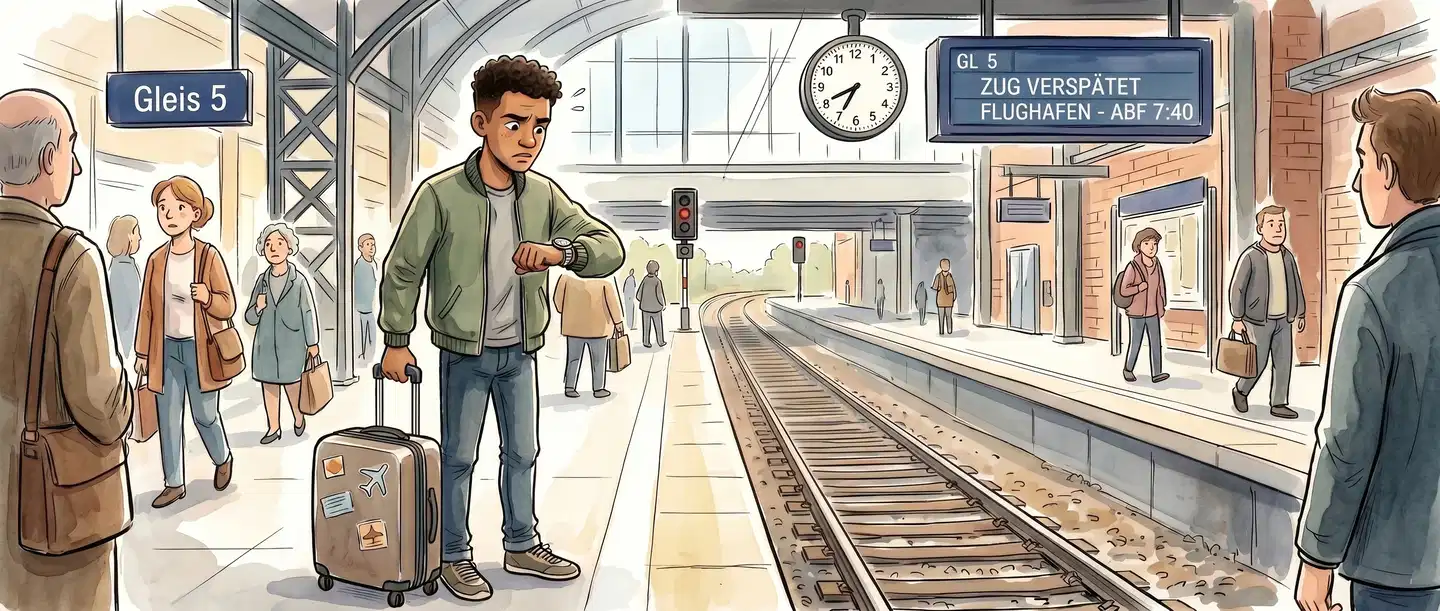
Kommt der Zug?

Is The Train Coming?

Kommt der Zug?

The train is late. What will Tim do?

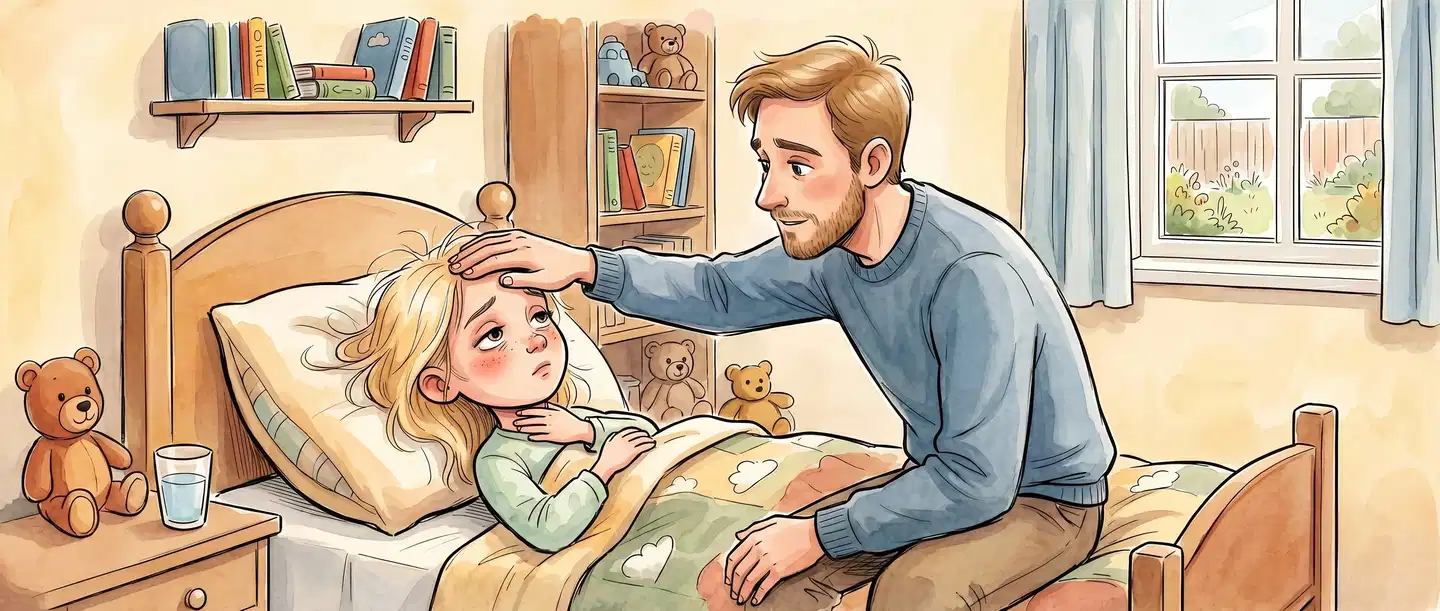
Lotta ist krank

Lotta Is Sick

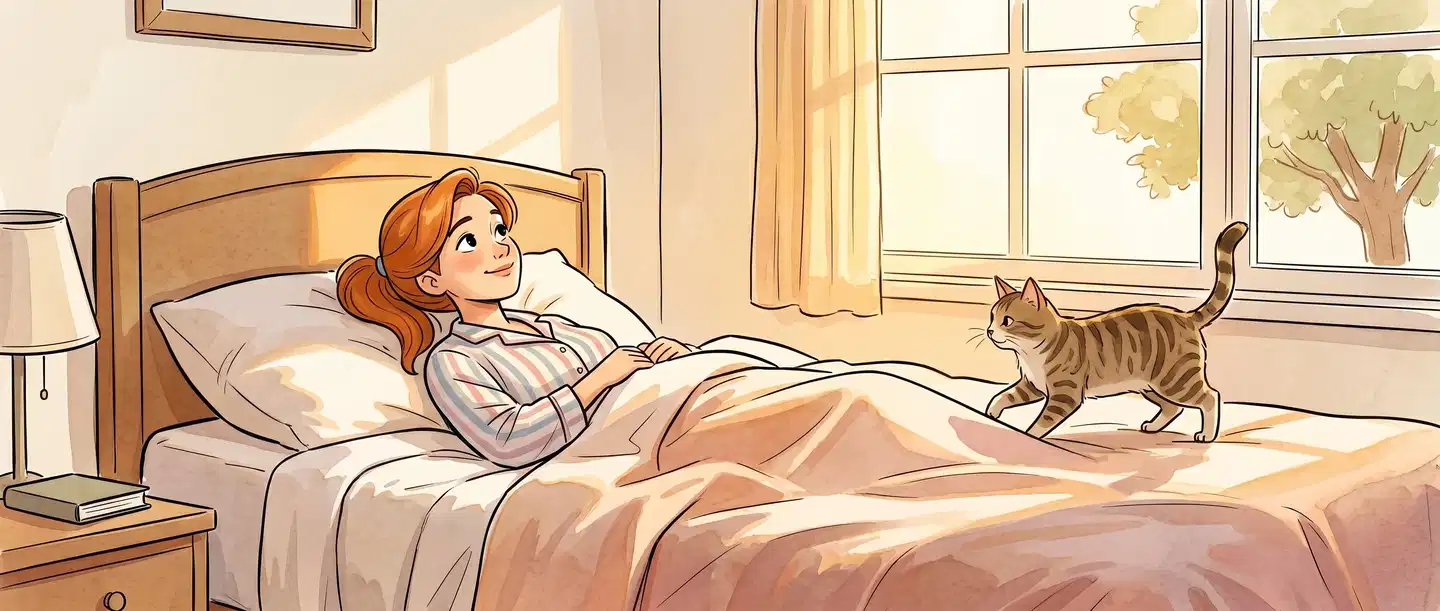
Lotta ist krank

Lotta is sick. Is she going to the doctor?

Lukas fährt nach Italien

Lukas Drives to Italy

Lukas fährt nach Italien

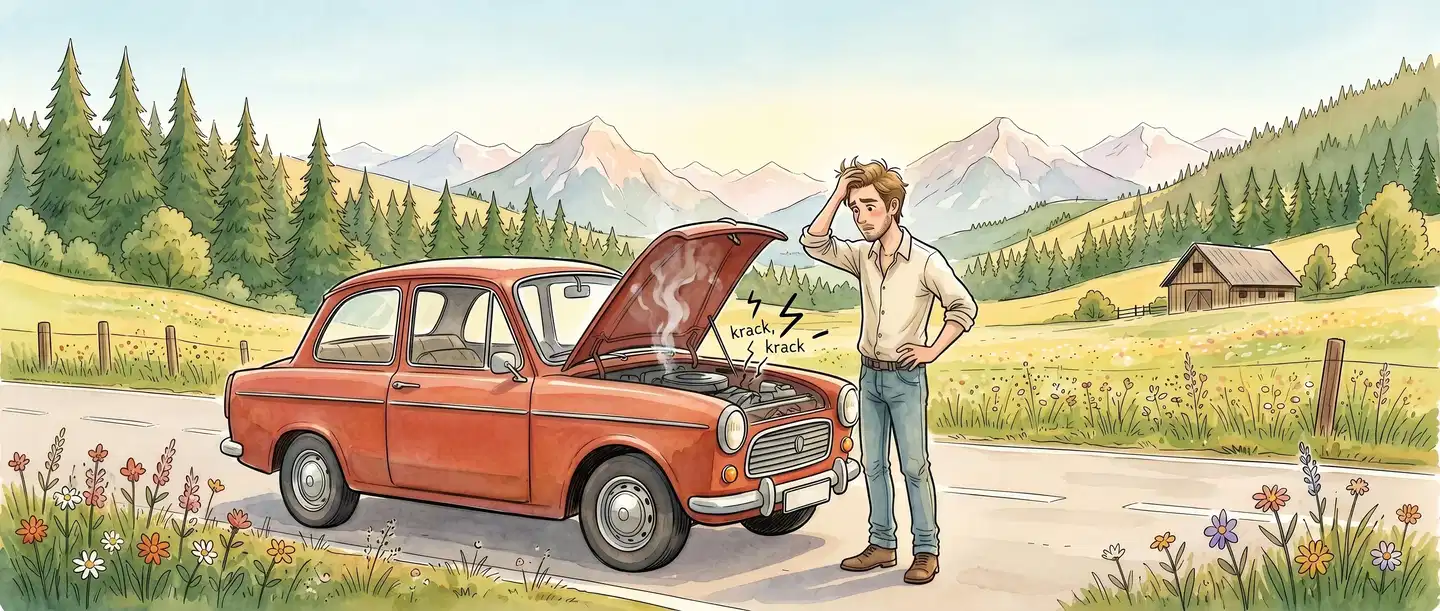
Lukas' car is broken. What will he do now?

Matteo ist krank

Matteo Is Sick

Matteo ist krank

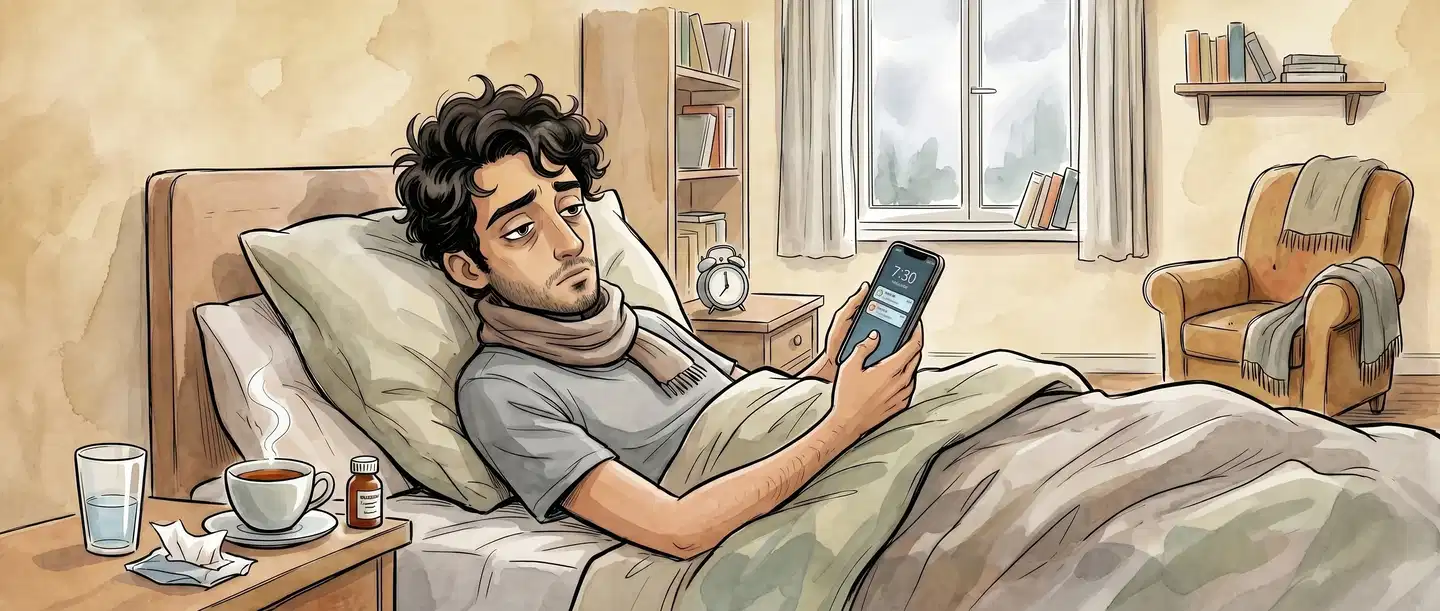
Matteo is sick. Is he going to work?

Mit dem Zug nach Spanien

By Train to Spain

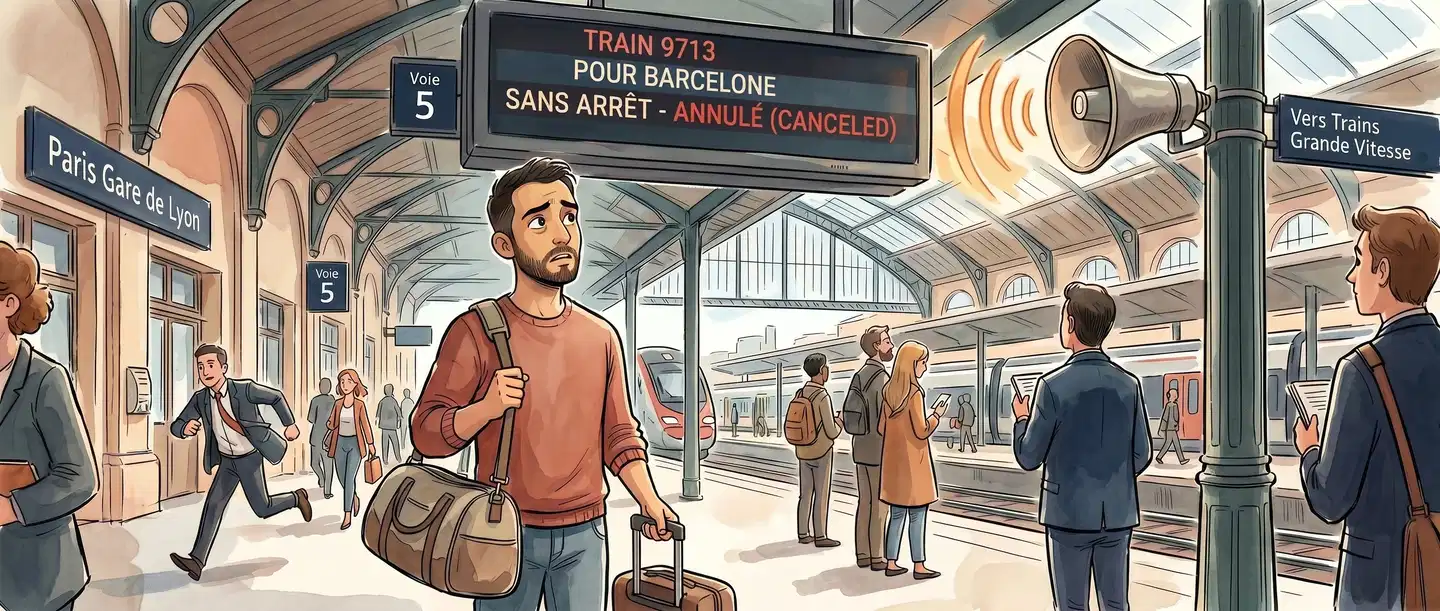
Mit dem Zug nach Spanien

The train to Spain is not running today.

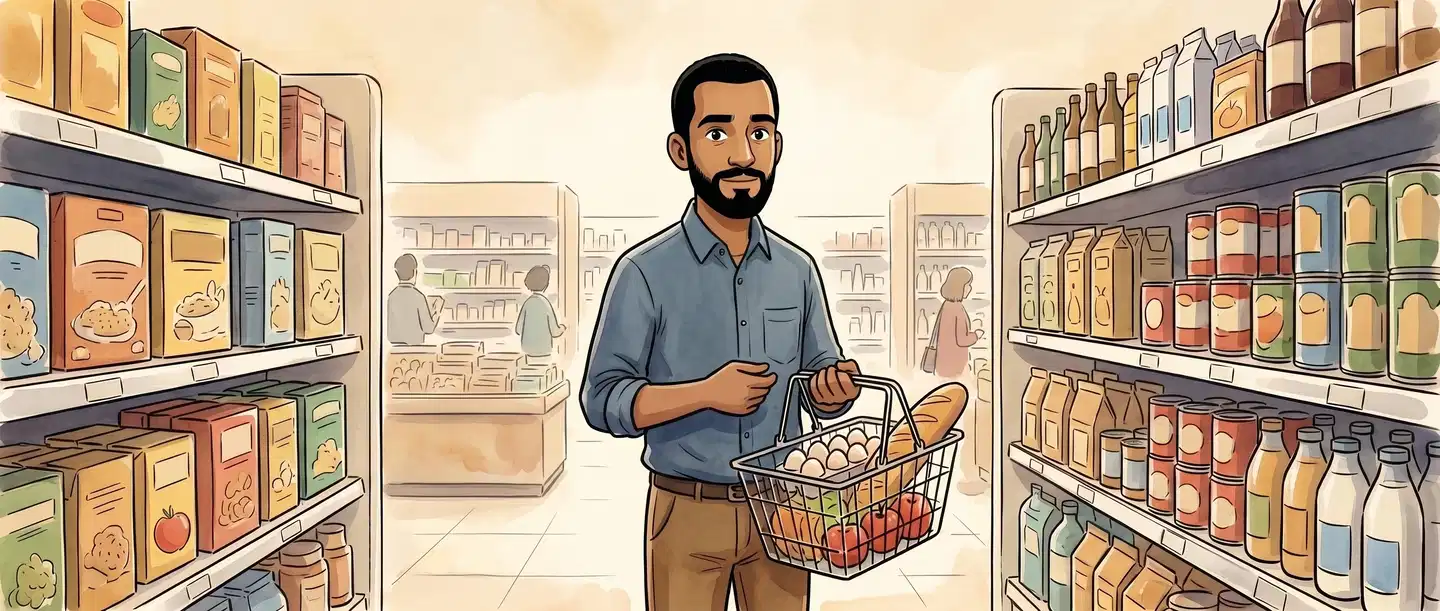
Mohammed kauft ein

Mohammed Goes Shopping

Mohammed kauft ein

Mohammed needs milk. Where can he find it?

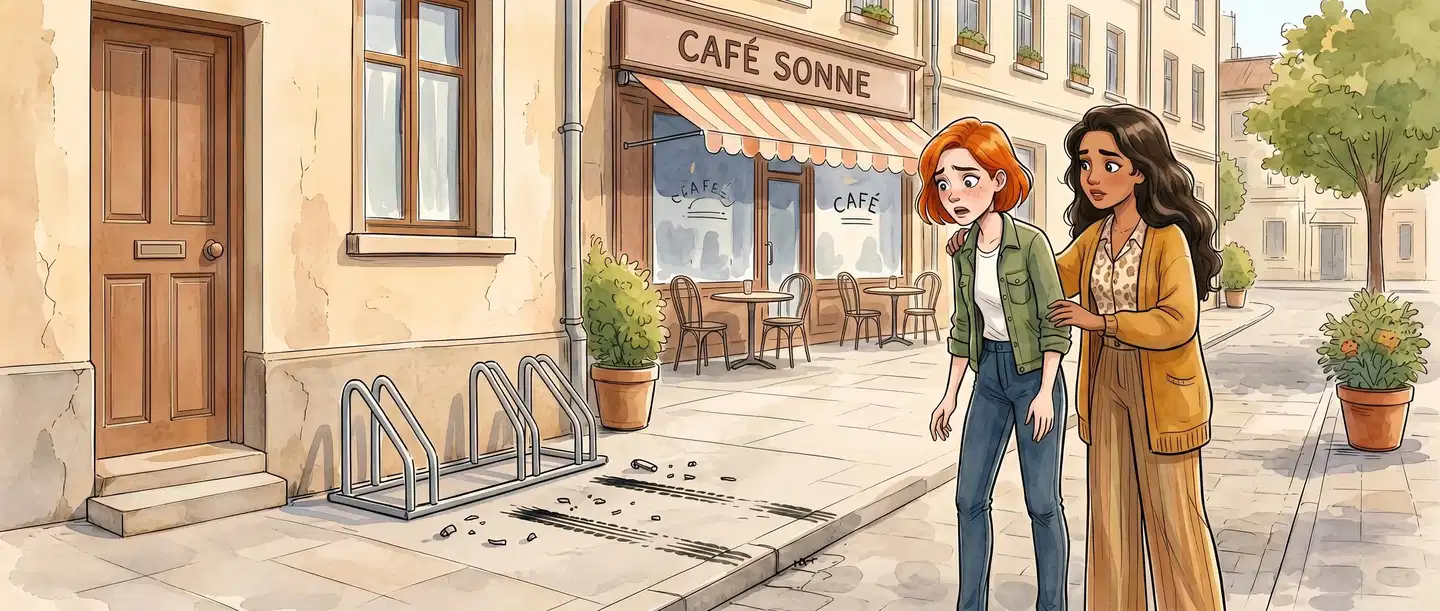
Monas Fahrrad ist weg

Mona's Bike is Gone

Monas Fahrrad ist weg

Mona's bike is missing. Will she find it?

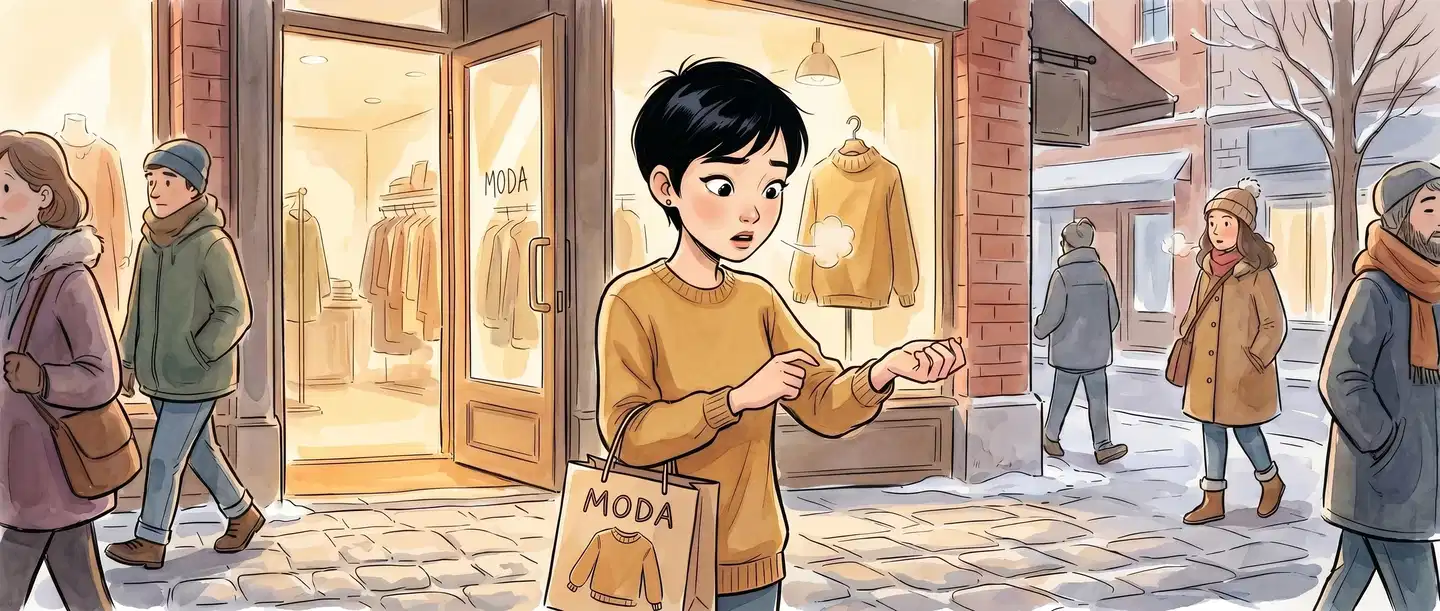
Tanjas Jacke

Tanja's Jacket

Tanjas Jacke

Tanja forgets her jacket in the store.

Timos Party

Timo's Party

Timos Party

Timo is throwing a party. Will his friends come?

Urlaub am Meer

Vacation by the Sea

Urlaub am Meer

A vacation by the sea: but where?

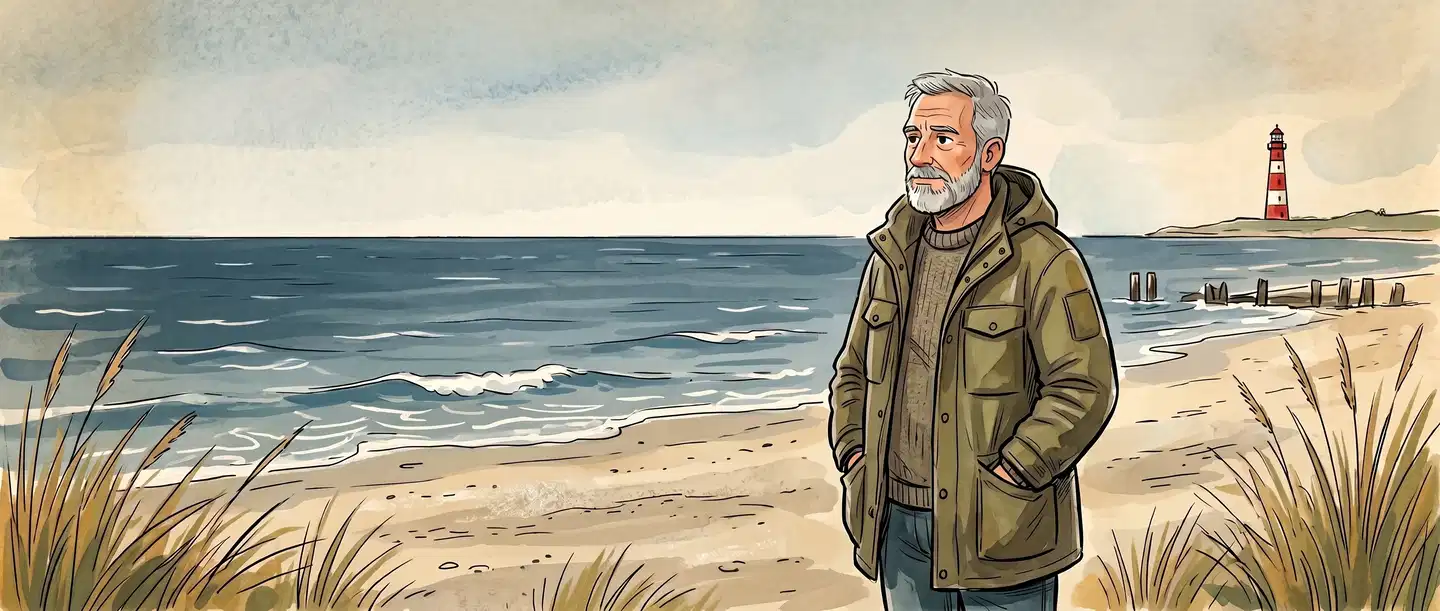
Urlaub an der Nordsee

Vacation at the North Sea

Urlaub an der Nordsee

Willi takes a vacation at the North Sea.

Im Büro

At the Office

Im Büro

Lisa meets interesting people at work.

Emmas Tag an der Universität

Emma's Day at the University

Emmas Tag an der Universität

Will she make friends?

German Stories at A1 Level

Situations and Topics

At A1 you need to navigate familiar everyday situations: introducing yourself and greeting people, understanding numbers and the time, buying or ordering something in a shop or café, talking about family, home, and leisure, following simple directions, and clarifying first appointments or forms. These are not abstract learning goals but moments when you immediately need to understand or say something.

Typical areas include shopping and eating out, housing and neighbourhood, school or language course, authorities and the doctor in very simple form, transport and short outings. Stories help you experience these situations as small plots — with characters who want something, forget something, or look for a way — rather than as word lists alone.

Language and Form

At A1 you need frequent verbs in the present tense, sein and haben, simple W-questions and yes/no sentences, modal verbs such as können or müssen, basic vocabulary for places and objects, and short main clauses without nested subordinate clauses. Tense forms stay limited; what matters more are clear word order, recurring patterns, and words that really appear in everyday life.

The A1 stories on {brandName} choose exactly such scenes and keep the language deliberately simple: manageable length, controlled vocabulary, likeable characters, and audio for reading along. Grammar and new words appear in context, can be looked up in the text, and repeat in similar situations — without too many new forms overwhelming you at once.