Scene 43 of 50
Il rapporto di Tommaso
Tommaso's report
Your goalI can tell a short story in the past with times, and ask what someone did.

Prepare the wordsPremium
Meet the 8 words of this scene before you read. You can also go straight to the story.
 Tommaso
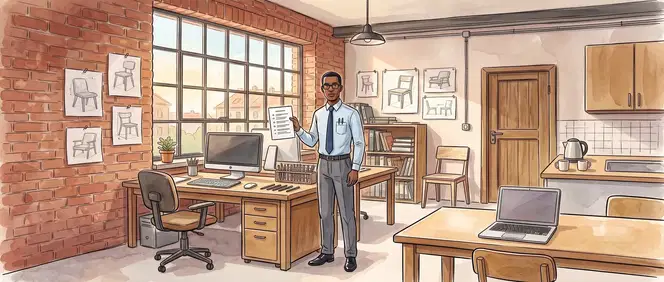
Buongiorno. Ho scritto un rapporto. Sul sabato.
Good morning. I've written a report. About Saturday.
Un rapporto? Sul festival?
A report? About the festival?
Un rapporto? Sul festival?
A report? About the festival?
- Tommaso
Sì. Minuto per minuto. Io scrivo sempre rapporti, anche sui festival.
Yes. Minute by minute. I always write reports, even about festivals.
- Tommaso
Ascolta.
Listen.
- Tommaso
"20:00: il concerto è cominciato."
'20:00: the concert started.'
- Tommaso
"20:14: le luci sono andate via."
'20:14: the lights went out.'
 Tommaso
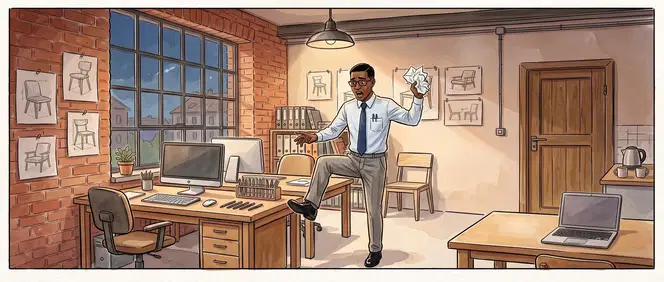
"20:15: un rumore. Qualcosa è caduto."
'20:15: a noise. Something fell.'
Qualcosa è caduto? Che cosa?
Something fell? What?
Qualcosa è caduto? Che cosa?
Something fell? What?
- Tommaso
Non lo so. "20:16: ho gridato."
I don't know. '20:16: I screamed.'
Hai gridato? Perché?
You screamed? Why?
Hai gridato? Perché?
You screamed? Why?
- Tommaso
Qualcosa di caldo e morbido ha toccato la mia gamba. Nel buio!
Something warm and soft touched my leg. In the dark!
Caldo e morbido? Forse era Milo?
Warm and soft? Maybe it was Milo?
Caldo e morbido? Forse era Milo?
Warm and soft? Maybe it was Milo?
- Tommaso
Non lo so. Non ho visto niente. Era buio.
I don't know. I didn't see anything. It was dark.
- Tommaso
"20:20: le luci sono tornate." E questo è tutto.
'20:20: the lights came back on.' And that's all.
È tutto? E dopo che cosa è successo?
That's all? And what happened after that?
È tutto? E dopo che cosa è successo?
That's all? And what happened after that?
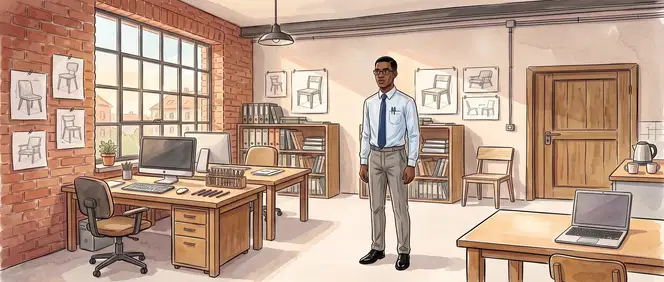
He says it very fast. - Tommaso
Niente. Sono andato a casa. Alle 20:30 esatte.
Nothing. I went home. At 20:30 exactly.
Davvero? Tutti dicono che hai ballato.
Really? Everybody says you danced.
Davvero? Tutti dicono che hai ballato.
Really? Everybody says you danced.
- Tommaso
Non ho ballato.
I did not dance.
La signora Rossi dice che hai ballato molto bene.
Mrs Rossi says you danced very nicely.
La signora Rossi dice che hai ballato molto bene.
Mrs Rossi says you danced very nicely.
- Tommaso
La signora Rossi sbaglia.
Mrs Rossi is wrong.
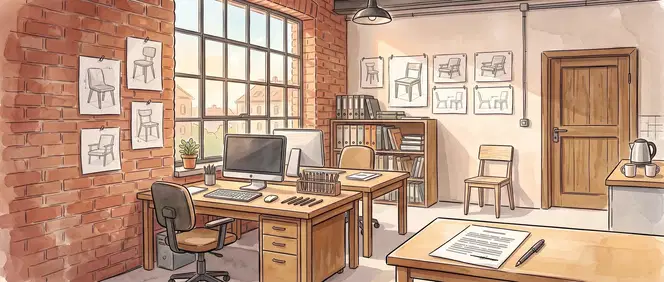
The last line of the report is crossed out, but you can still read it. E qui? L’ultima riga?
And here? The last line?
E qui? L’ultima riga?
And here? The last line?
"20:25: ho ballato."
'20:25: I danced.'
"20:25: ho ballato."
'20:25: I danced.'
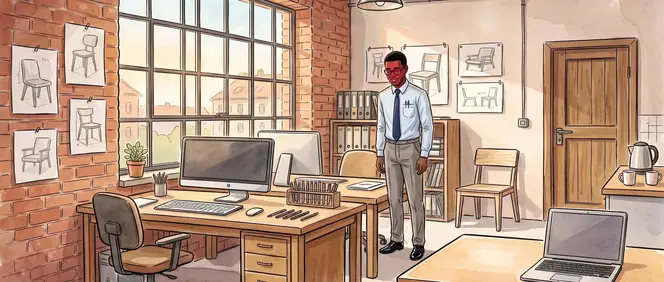
He goes red, and then he smiles. - Tommaso
Quello... è un errore.
That's... a mistake.
Un errore?
A mistake?
Un errore?
A mistake?
- Tommaso
Un errore molto bello.
A very good mistake.
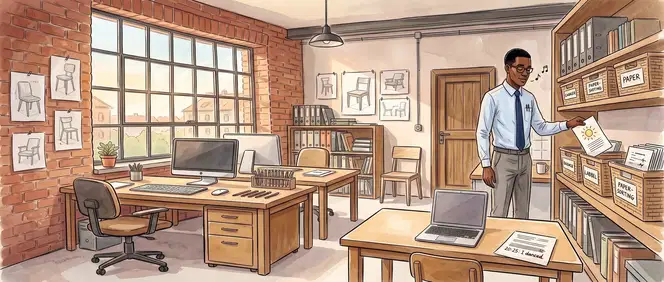
Who says this?
Buongiorno. Ho scritto un rapporto. Sul sabato.
Buongiorno. Ho scritto un rapporto. Sul sabato.
What does it mean?
"20:00: il concerto è cominciato."
Which line do you hear?
'20:14: the lights went out.'
Put the words in order.
'20:15: a noise. Something fell.'
Who says this?
Non lo so. "20:16: ho gridato."
Non lo so. "20:16: ho gridato."
What does it mean?
Caldo e morbido? Forse era Milo?
Caldo e morbido? Forse era Milo?
Which line do you hear?
'20:20: the lights came back on.' And that's all.
Put the words in order.
That's all? And what happened after that?
That's all? And what happened after that?
Who says this?
Non ho ballato.
Non ho ballato.
What does it mean?
La signora Rossi dice che hai ballato molto bene.
La signora Rossi dice che hai ballato molto bene.
Which line do you hear?
And here? The last line?
And here? The last line?
Put the words in order.
That's... a mistake.
What happens first?
Put the lines in the order they come in the scene.
Scene complete
Il rapporto di Tommaso
Goal reachedI can tell a short story in the past with times, and ask what someone did.