Scene 43 of 50
Vinte e catorze
20.14
Your goalI can tell a short story in the past with times, and ask what someone did.

Prepare the wordsPremium
Meet the 8 words of this scene before you read. You can also go straight to the story.
 Tomás
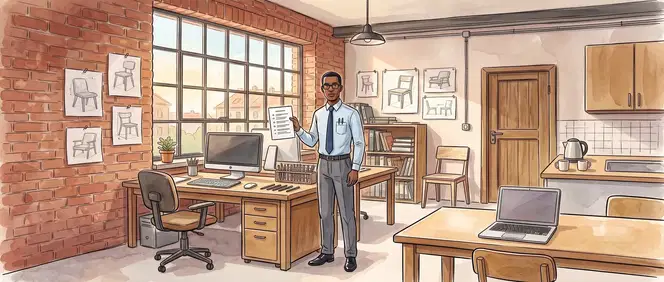
TomásBom dia. Escrevi um relatório. Sobre sábado.
Good morning. I've written a report. About Saturday.
Um relatório? Sobre a festa?
A report? About the festival?
Um relatório? Sobre a festa?
A report? About the festival?
- Tomás
Sim. Minuto a minuto. Escrevo sempre relatórios, até sobre festas.
Yes. Minute by minute. I always write reports, even about festivals.
- Tomás
Ouça.
Listen.
- Tomás
«Vinte horas: o concerto começou.»
'20:00: the concert started.'
- Tomás
«Vinte e catorze: as luzes apagaram-se.»
'20:14: the lights went out.'
 Tomás
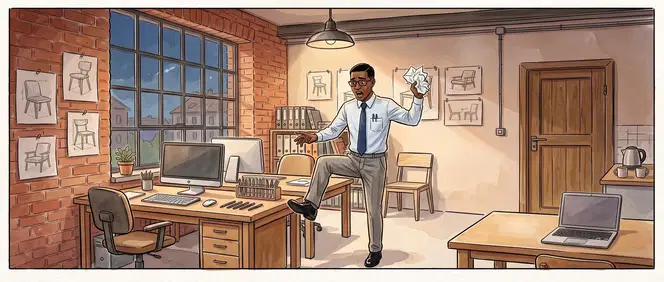
Tomás«Vinte e quinze: um barulho. Caiu alguma coisa.»
'20:15: a noise. Something fell.'
Caiu alguma coisa? O quê?
Something fell? What?
Caiu alguma coisa? O quê?
Something fell? What?
- Tomás
Não sei. «Vinte e dezasseis: gritei.»
I don't know. '20:16: I screamed.'
Gritou? Porquê?
You screamed? Why?
Gritou? Porquê?
You screamed? Why?
- Tomás
Alguma coisa quente e macia tocou na minha perna. No escuro!
Something warm and soft touched my leg. In the dark!
Quente e macia? Talvez fosse o Chico?
Warm and soft? Maybe it was Chico?
Quente e macia? Talvez fosse o Chico?
Warm and soft? Maybe it was Chico?
- Tomás
Não sei. Não vi nada. Estava escuro.
I don't know. I didn't see anything. It was dark.
- Tomás
«Vinte e vinte: as luzes voltaram.» E é tudo.
'20:20: the lights came back on.' And that's all.
É tudo? E o que aconteceu depois?
That's all? And what happened after that?
É tudo? E o que aconteceu depois?
That's all? And what happened after that?
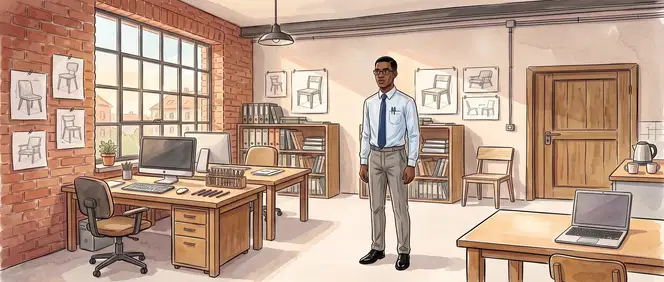
He says it very fast. - Tomás
Nada. Fui para casa. Às vinte e trinta em ponto.
Nothing. I went home. At 20:30 exactly.
A sério? Todos dizem que dançou.
Really? Everybody says you danced.
A sério? Todos dizem que dançou.
Really? Everybody says you danced.
- Tomás
Eu não dancei.
I did not dance.
A dona Maria diz que dançou muito bem.
Mrs Silva says you danced very nicely.
A dona Maria diz que dançou muito bem.
Mrs Silva says you danced very nicely.
- Tomás
A dona Maria está enganada.
Mrs Silva is wrong.
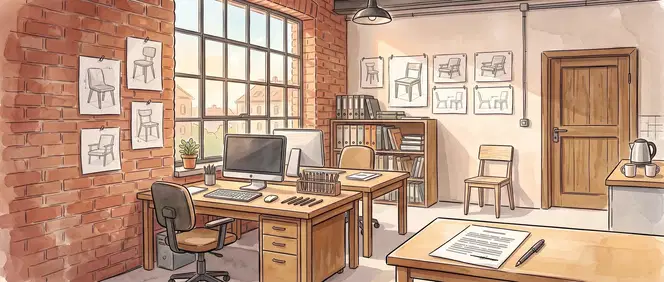
The last line of the report is crossed out, but you can still read it. E aqui? A última linha?
And here? The last line?
E aqui? A última linha?
And here? The last line?
«Vinte e vinte e cinco: dancei.»
'20:25: I danced.'
«Vinte e vinte e cinco: dancei.»
'20:25: I danced.'
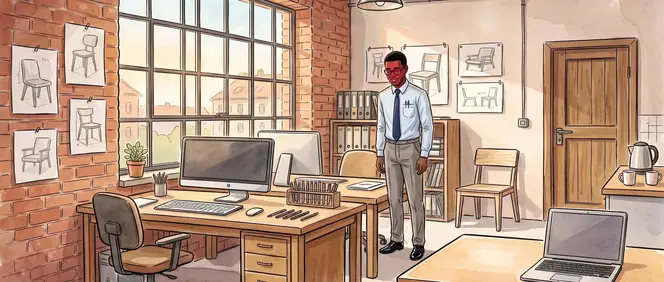
He goes red, and then he smiles. - Tomás
Isso... é um erro.
That's... a mistake.
Um erro?
A mistake?
Um erro?
A mistake?
- Tomás
Um erro muito bom.
A very good mistake.
Who says this?
Bom dia. Escrevi um relatório. Sobre sábado.
Bom dia. Escrevi um relatório. Sobre sábado.
What does it mean?
Sim. Minuto a minuto. Escrevo sempre relatórios, até sobre festas.
Which line do you hear?
'20:00: the concert started.'
Put the words in order.
'20:15: a noise. Something fell.'
Who says this?
Não sei. «Vinte e dezasseis: gritei.»
Não sei. «Vinte e dezasseis: gritei.»
What does it mean?
Quente e macia? Talvez fosse o Chico?
Quente e macia? Talvez fosse o Chico?
Which line do you hear?
I don't know. I didn't see anything. It was dark.
Put the words in order.
That's all? And what happened after that?
That's all? And what happened after that?
Who says this?
Eu não dancei.
Eu não dancei.
What does it mean?
A dona Maria diz que dançou muito bem.
A dona Maria diz que dançou muito bem.
Which line do you hear?
And here? The last line?
And here? The last line?
Put the words in order.
That's... a mistake.
What happens first?
Put the lines in the order they come in the scene.
Scene complete
Vinte e catorze
Goal reachedI can tell a short story in the past with times, and ask what someone did.