The key, the house and the tomcat
Enter the first Russian A1 scene through its own words.
About this unit
These lines come from your first A1 scene. You can already read every letter in them.
- Нина Петровна is your landlady, and Барсик is the tomcat of the house.
- In the scene, she hands you the key: Вот ваш ключ.
Read the examples
Tap a card and listen. Try saying it too.
Words to read
Добрый вечер!
Good evening!Dóbryy vécher!
дом
housedomключ
keyklyuch
кот
tomcatkotВот ваш ключ.
Here is your key.Vot vash klyuch.Reading tips
The first A1 scene introduces Нина Петровна and Барсик. Read Вот ваш ключ. Then notice the house and the tomcat. The dialogue words you practised become the words of the scene.
Reading practice
Read with support
Match the words to their pictures.
Read without a sound cue
Match the words to their pictures.
Sound to spelling
Listen. Choose the spelling.
Spelling to sound
Read the word. Choose its sound.
Sound to spelling
Listen. Choose the spelling.
Spelling to sound
Read the word. Choose its sound.
Read and decide
What is being handed over?
Build the word
Listen and build the word in typing order.
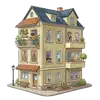
Build the word
Listen and build the word in typing order.
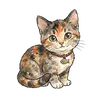
Build the word
Listen and build the word in typing order.
Recall the spelling
Listen and build the word without its picture.
Recall the spelling
Listen and build the word without its picture.
Finish practice to save this unit.
You can read and write this
Enter the first Russian A1 scene through its own words.
Добрый вечер!
Good evening!дом
houseключ
keyкот
tomcatВот ваш ключ.
Here is your key.Use a Russian keyboard
The standard Russian layout is ЙЦУКЕН. All guided writing also works with on-screen tiles. Type ё with its own key when practising ё; outside that task е is a common printed replacement. Teaching stress accents are optional input, not extra letters.
 LernLaterne