LernLaterne

Welcome back

Unit 28 · Read a café menu · Meet

Read a café menu

Find a drink and its price in roubles.

About this unit

A menu lists each item with its price in roubles.

  • ₽ is the rouble sign; it comes after the number.
  • Find the item first, then read along the line to its price.
  • Prices use the digits you already know.

Read the examples

Tap a card and listen. Try saying it too.

Words to read

coffee

кофе

coffeekófe
tea

чай

teachay

пирог

piepirók
water

вода

watervadá
Reading tips

₽ is the rouble sign. These are sample menu prices, not claims about a particular café.

МенюЦена
кофе180 ₽
чай120 ₽
пирог250 ₽
вода90 ₽

Reading practice

Read with support

Match the words to their pictures.

Read without a sound cue

Match the words to their pictures.

Sound to spelling

Listen. Choose the spelling.

Spelling to sound

Read the word. Choose its sound.

кофе

Sound to spelling

Listen. Choose the spelling.

Spelling to sound

Read the word. Choose its sound.

вода

Read and decide

Use the menu: how much is tea?

кофе 180 ₽ · чай 120 ₽ · пирог 250 ₽

Build the word

Listen and build the word in typing order.
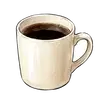
coffee

Build the word

Listen and build the word in typing order.
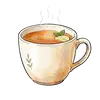
tea

Build the word

Listen and build the word in typing order.

water

Recall the spelling

Listen and build the word without its picture.

Recall the spelling

Listen and build the word without its picture.

Recall the spelling

Listen and build the word without its picture.

Finish practice to save this unit.

You can read and write this

Find a drink and its price in roubles.

Next unit
coffee

кофе

coffee
tea

чай

tea

пирог

pie
water

вода

water
Use a Russian keyboard

The standard Russian layout is ЙЦУКЕН. All guided writing also works with on-screen tiles. Type ё with its own key when practising ё; outside that task е is a common printed replacement. Teaching stress accents are optional input, not extra letters.

All letters

А а
i

a

К кIn ка
i

ka

М мIn ма
i

ma

О о
i

o

Т тIn та
i

ta

В вIn ва
i

va. В is v, not Latin B.

Н нIn на
i

na. Н is n, not Latin H.

Р рIn ра
i

ra. Р is r, not Latin P.

С сIn са
i

sa. С is s, not Latin c/k.

У у
i

u. У is u, not Latin y.

Х хIn ха
i

kha. Х is a friction sound, like ch in German Bach.

Е еye; softens the consonant
i

ye / e. At word start е begins ye; after a consonant it normally gives e and softens that consonant.

Б бIn ба
i

ba

Г гIn га
i

ga

Д дIn да
i

da

Л лIn ла
i

la

П пIn па
i

pa

З зIn за
i

za

Ж жIn жа
i

zha

Ш шIn ша
i

sha

И и
i

i. И normally follows a soft consonant.

Й й
i

y. Й is the short consonant y of yes, not a vowel syllable.

Ы ы
i

y / ɨ. Ы is a full vowel after a hard consonant; compare и.

Ч чIn ча
i

cha. Ч is normally soft.

Щ щa long, soft shIn ща
i

shcha. Щ is a long soft sh sound; it is not modern Russian ш + ч.

Ц цIn ца
i

tsa. Ц is hard ts, including before written и.

Ф фIn фа
i

fa

Э э
i

e. Э does not add an initial y sound.

Ю юyu; softens the consonant
i

yu. Ю begins yu initially and gives u plus a soft consonant after one.

Я яya; softens the consonant
i

ya. Initial я is ya; after a consonant it gives a plus softness.

Ё ёyo; softens the consonant
i

yo. Ё gives yo initially, or o plus softness; it is normally stressed.

Ь ьno sound; softens a consonantIn мягкий знак
i

soft sign (name). Ь has no independent vowel or consonant sound; here it makes л soft.

Ъ ъno sound; hard break before yIn твёрдый знак
i

hard sign (name). Ъ separates a consonant from a following е/ё/ю/я and keeps its y onset.