Estás navegando como invitado. Una cuenta gratuita te da 4 textos gratis: cada uno abre un diálogo con todos sus ejercicios.
Una bruja en el S-Bahn
Eine Hexe in der S-Bahn
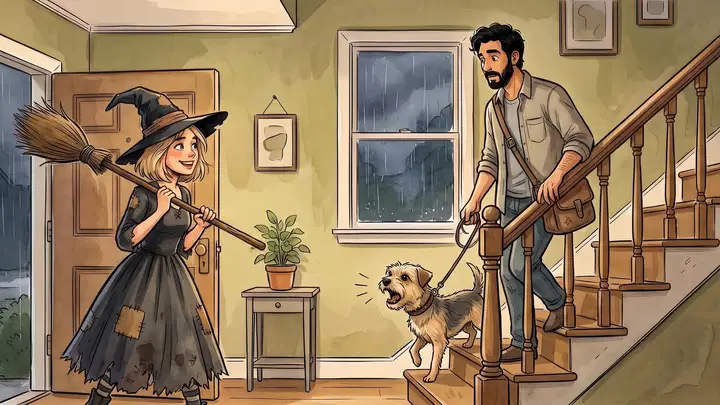
El martes de carnaval, María fue a trabajar disfrazada. Le cuenta a Fridolin cómo se celebra en su tierra.
 Fridolin
 MariaFridolinMariaFridolinMariaFridolinMariaFridolinMariaFridolinMariaFridolinMariaFridolinMariaFridolinMaria
Ejercicios
Hören
Hören
Escucha la frase y responde a la pregunta.
Welcher Tag ist heute?
Was bekommen die Kinder beim Umzug?
Was wollte der Kontrolleur wissen?
Todo terminado.¡Casi lo tienes!Vamos a practicarlo otra vezPrueba las preguntas
aciertos al primer intento
Richtig oder falsch?
Richtig oder falsch?
Lee la frase. ¿Es verdadera o falsa?
In Berlin feiert man heute auch Fasching.
Maria ist im Kostüm ins Büro gefahren.
Fridolin war als Kind einmal ein Cowboy.
In Berlin isst man Pfannkuchen vor allem an Fasching.
Todo terminado.¡Casi lo tienes!Vamos a practicarlo otra vezPrueba las preguntas
aciertos al primer intento
Mehr Fragen
Mehr Fragen
Elige la respuesta correcta.
Warum fragt Fridolin: „Maria? Bist du das?“
Was haben Marias Kollegen zu ihrem Kostüm gesagt?
Fridolin war ein Cowboy ohne Pferd. Warum passt das zu ihm?
Maria sagt: „Niemand hat geschaut. Das ist Berlin.“ Was meint sie?
Todo terminado.¡Casi lo tienes!Vamos a practicarlo otra vezPrueba las preguntas
aciertos al primer intento
Wörter
Wörter
Match the pairs.
Todo terminado.¡Casi lo tienes!Vamos a practicarlo otra vezPrueba las preguntas
aciertos al primer intento
Was sagst du?
Was sagst du?
What do you say?
Your colleague comes from a village in Bavaria. Ask her how people celebrate carnival there.
A friend asks how people celebrate carnival where you come from. There is a big procession. What do you say?
A friend asks what you did on Shrove Tuesday. You went to the office dressed as a witch. What do you say?
A friend asks if you wore costumes as a child. When you were little, you were a pirate once. What do you say?
Todo terminado.¡Casi lo tienes!Vamos a practicarlo otra vezPrueba las preguntas
aciertos al primer intento
Baue den Satz
Baue den Satz
Toca las palabras en el orden correcto para formar la frase.
How do people celebrate Christmas where you come from?
Where I come from there's a big party.
I went to the office as a cowboy.
When I was little, I was a cowboy.
Todo terminado.¡Casi lo tienes!Vamos a practicarlo otra vezPrueba las preguntas
aciertos al primer intento
Gespräch
Gespräch
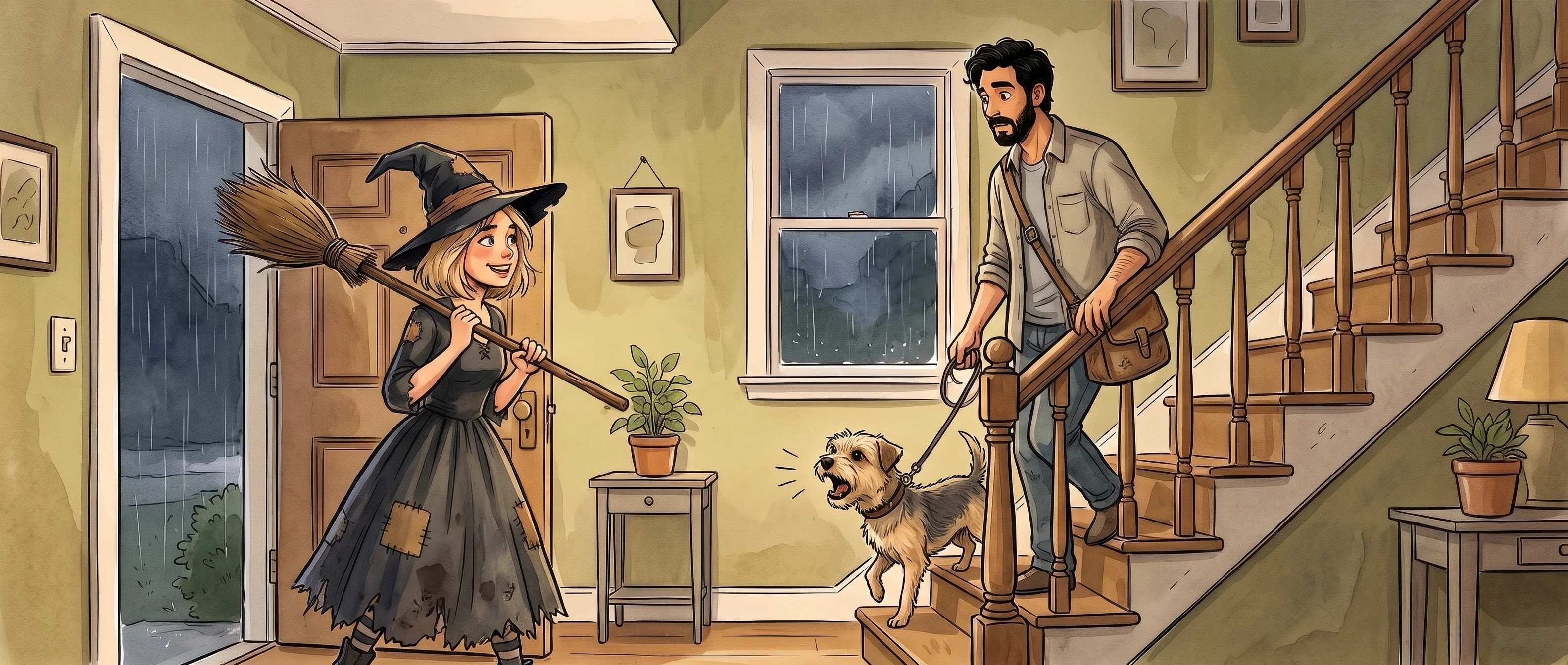
Maria in her witch's costume
PlakatThe carnival poster from Maria's village Fasching im Dorf!
FaschingsdienstagShrove Tuesday
14 Uhr: großer Umzug durchs Dorf, mit der Kapelle2 pm: big procession through the village, with the band
Süßigkeiten für alle Kinder!Sweets for all the children!
20 Uhr: Tanz im Gasthaus8 pm: dance at the inn
Kostüm nicht vergessen!
It is Shrove Tuesday evening. You come home and meet your neighbour Maria on the stairs, still in her witch's costume. Tell her how people celebrate where you come from, and what you were as a child.
It is Shrove Tuesday evening. You come home and meet your neighbour Maria on the stairs, still in her witch's costume. Tell her how people celebrate where you come from, and what you were as a child.
Maria
Hallo! Keine Angst, ich bin's nur, Maria!
Hi! Don't be scared, it's only me, Maria!
…
Tú
The conversation is over.

Todo terminado.¡Casi lo tienes!Vamos a practicarlo otra vezPrueba las preguntas
aciertos al primer intento
¡Muy bien!
Has terminado «Eine Hexe in der S-Bahn».
 Parte del temaFeiern und zu Gast seinDiálogo 8 de 8
- El diálogo en PDF
Recomendado para ti
Estas historias o diálogos podrían gustarte.




 Parte del temaFeiern und zu Gast seinFiestas e invitados