Przeglądasz jako gość. Darmowe konto daje ci 4 darmowe teksty: każdy otwiera jeden dialog ze wszystkimi ćwiczeniami.
Bez zapłaty, ale nie na darmo
Unbezahlt, aber nicht umsonst
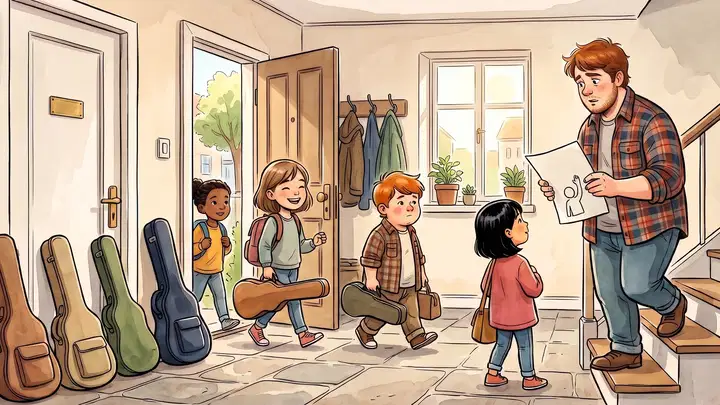
Maria w soboty uczy sześcioro dzieci i nie bierze za to pieniędzy. Heinz ma znaleźć wolontariuszy dla biblioteki, choć właśnie zlikwidowano tam etat.
 Heinz
 MariaHeinzMariaHeinzMariaHeinzMariaHeinzMariaHeinzMariaHeinzMariaHeinzMariaHeinzMariaHeinzMaria
Ćwiczenia
Hören
Hören
Posłuchaj zdania i odpowiedz na pytanie.
Warum unterrichtet Maria die Kinder umsonst?
Was sollen die Freiwilligen in der Bibliothek tun?
Warum hat Heinz ein ungutes Gefühl?
Was würde passieren, wenn alle Freiwilligen morgen aufhören würden?
Was könnte die Bibliothek den Freiwilligen bieten?
Wszystko gotowe.Prawie!Poćwiczmy to jeszcze razSpróbuj odpowiedzieć na pytania
Poprawne za pierwszym razem
Richtig oder falsch?
Richtig oder falsch?
Przeczytaj zdanie. Czy jest prawdziwe, czy fałszywe?
Maria bekommt für ihren Unterricht ein bisschen Geld.
Zuerst findet Maria die Idee der Bibliothek wunderbar.
Wenn Maria aufhört, bekommen die Kinder eine bezahlte Lehrerin.
Heinz gibt zu, dass man so ein Erlebnis nicht in Geld messen kann.
Die Vorlesestunde wäre am Samstag.
Wszystko gotowe.Prawie!Poćwiczmy to jeszcze razSpróbuj odpowiedzieć na pytania
Poprawne za pierwszym razem
Mehr Fragen
Mehr Fragen
Wybierz poprawną odpowiedź.
Was meint Maria mit „Lückenbüßer“?
Warum sagt Maria „Autsch“?
Was meint Maria mit „Dieses Gesicht hättest du sehen sollen!“?
Welchen Weg schlägt Maria vor?
Warum findet Maria, dass Heinz das „erstaunlich gut“ macht?
Wszystko gotowe.Prawie!Poćwiczmy to jeszcze razSpróbuj odpowiedzieć na pytania
Poprawne za pierwszym razem
Wörter
Wörter
Match the pairs.
Wszystko gotowe.Prawie!Poćwiczmy to jeszcze razSpróbuj odpowiedzieć na pytania
Poprawne za pierwszym razem
Was sagst du?
Was sagst du?
What do you say?
A friend says that volunteers reading to children at the library is a wonderful thing. You agree in principle, but the library recently cut a paid post. What do you say?
Someone asks what you think of the library's plan. Weigh it up: on the one hand it helps the children, on the other the state can sit back and rely on it.
A friend worries: "So much here depends on volunteers: sports clubs, the fire brigade, the food banks." You think that is rather a point in favour of volunteering. What do you say?
Your friend can't decide: help as a volunteer, or protest that a paid post is missing? Suggest doing both: join in, and still say loudly that a post is missing.
Wszystko gotowe.Prawie!Poćwiczmy to jeszcze razSpróbuj odpowiedzieć na pytania
Poprawne za pierwszym razem
Baue den Satz
Baue den Satz
Dotykaj słów we właściwej kolejności, aby ułożyć zdanie.
In itself, yes. Only, it mustn't replace a paid post.
On the one hand, voluntary work is important. On the other, the city saves money at the volunteers' expense.
Surely that speaks for the reading hour rather than against it.
Maybe you have to do both: read to the children and still protest.
Wszystko gotowe.Prawie!Poćwiczmy to jeszcze razSpróbuj odpowiedzieć na pytania
Poprawne za pierwszym razem
Gespräch
Gespräch
The reading hour
Aushang
AushangA notice from the library Freiwillige gesucht!
Für unsere Vorlesestunde suchen wir Menschen, die Kindern gern vorlesen und bei den Hausaufgaben helfen.For our reading hour we are looking for people who like reading to children and helping with homework.
Wann: mittwochs von 15 bis 16.30 Uhr. Auch alle zwei Wochen ist eine große Hilfe.When: Wednesdays from 3 to 4.30 pm. Every other week is a great help too.
Wir bieten: eine Schulung vor dem Start, das Fahrgeld und ein Dankeschön-Fest im Sommer.We offer: training before you start, your travel costs and a thank-you party in the summer.
Übrigens: Diese Arbeit verdient eine bezahlte Stelle. Die wurde leider gestrichen. Bis es sie wieder gibt, brauchen wir Sie.By the way: this work deserves a paid post. Sadly, it was cut. Until there is one again, we need you.
Heinrich Mertens, Kinderbibliothek
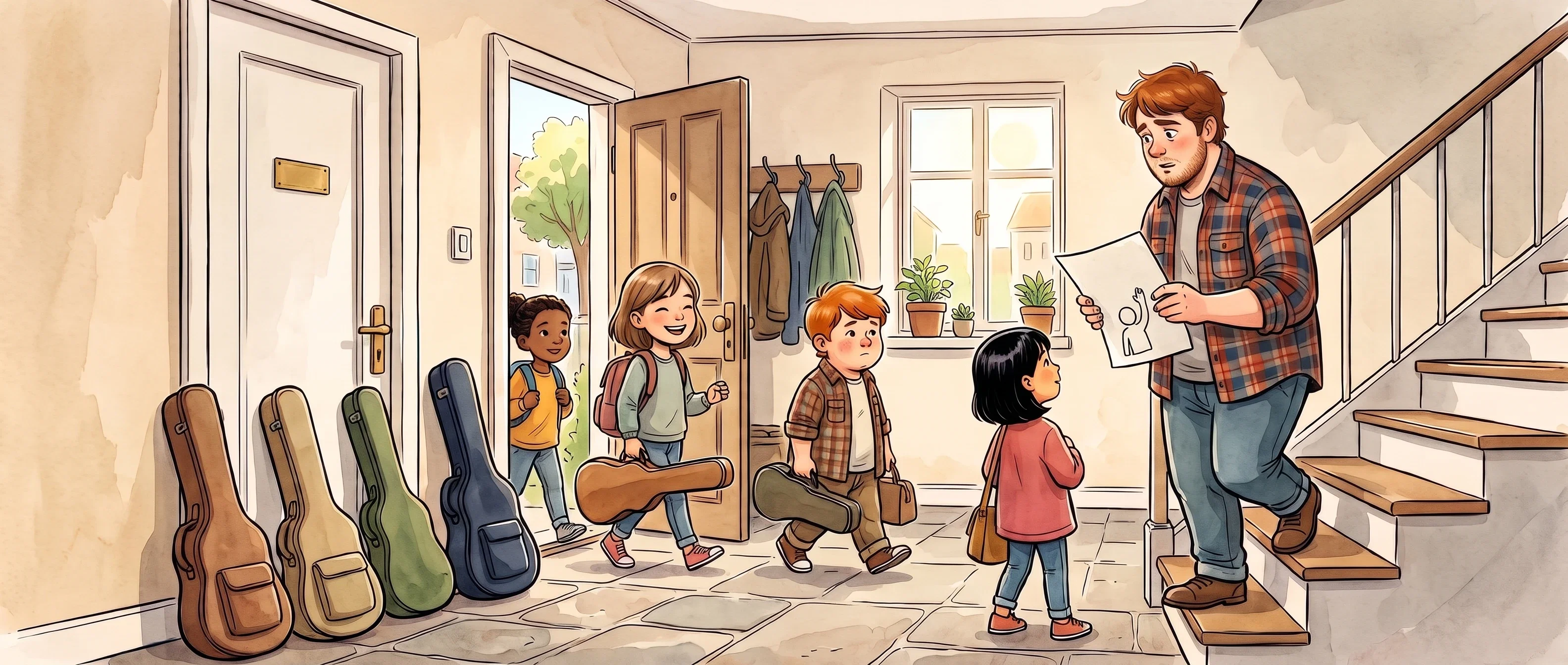
A few weeks later Heinz is hanging up a notice in the hallway: the library is looking for volunteers for its Wednesday reading hour. He asks you, his neighbour, whether you would join in. Weigh it up, argue, and decide.
A few weeks later Heinz is hanging up a notice in the hallway: the library is looking for volunteers for its Wednesday reading hour. He asks you, his neighbour, whether you would join in. Weigh it up, argue, and decide.
Read the notice. Agree, or agree only in principle.
Heinz
Gut, dass ich dich treffe! Wir suchen Freiwillige für unsere Vorlesestunde. Das ist doch eine gute Sache, oder?
Good to see you! We're looking for volunteers for our reading hour. It's a good thing, isn't it?
…
Ty
The conversation is over.

Wszystko gotowe.Prawie!Poćwiczmy to jeszcze razSpróbuj odpowiedzieć na pytania
Poprawne za pierwszym razem
Świetnie!
Ukończono „Unbezahlt, aber nicht umsonst”.
 Część tematuGesellschaft und ZusammenlebenDialog 3 z 7
- Dialog w PDF
Polecane dla ciebie
Te historie lub dialogi mogą ci się spodobać.




 Część tematuGesellschaft und ZusammenlebenSpołeczeństwo i życie razem