Module 4Word reviewPremium
Words of module 4: Photos on the wall
Reviews practise both sides: wherever Lukas and Lena would say something differently, you do it once as each.
In this module you learned to
- name family members and say how old people are
- say how old I am, how many brothers and sisters I have, and when my birthday is
- say how I am on the phone, describe my flat and my town, and describe what people look like
- choose a present, ask about prices and colours, and say what someone already has
- wish someone happy birthday, give a present, and say if I'm married, if I have children and where my parents live
From this module's scenes
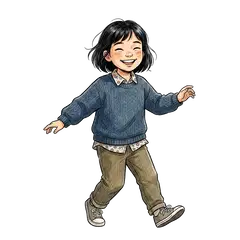
la hermanafem.
sister
Sí. Un hermano y una hermana.Yes. A brother and a sister.
Sí. Un hermano y una hermana.Yes. A brother and a sister.
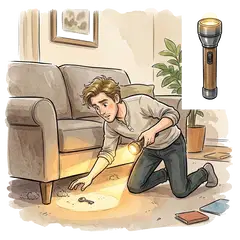
buscar
look for
Buscamos un regalo para Lucía. Cumple diez años el sábado.We are looking for a present for Lucía. She turns ten on Saturday.
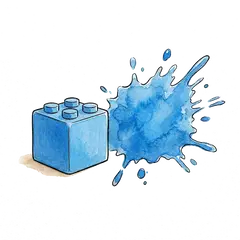
azul
blue
Este es grande y este, pequeño. ¿Azul, verde o amarillo?This one is big and this one is small. Blue, green or yellow?
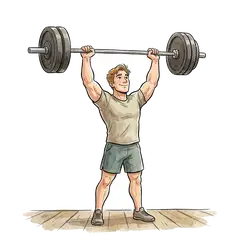
fuerte
strong
¡Sí que es fuerte!It certainly is strong!
¡Sí que es fuerte!It certainly is strong!

la fotofem.
photo
¡Michi! ¡Deja la foto!Michi! Leave the photo!
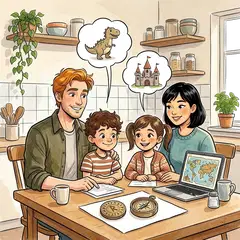
la familiafem.
family
¡Cuántas fotos! ¿Es su familia?So many photos! Is it your family?
¡Cuántas fotos! ¿Es su familia?So many photos! Is it your family?
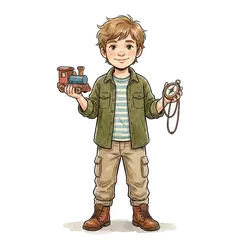
el hijomasc.
son
¿Cuántos años tiene su hijo?How old is your son?
¿Cuántos años tiene su hijo?How old is your son?
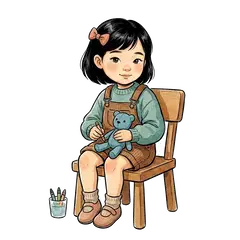
la hijafem.
daughter
Cincuenta. Y mi hija, cuarenta y cuatro.Fifty. And my daughter, forty-four.
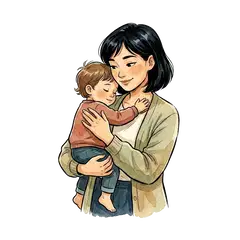
la madrefem.
mother
La madre names the relationship; mamá is the everyday family address Mum.
Sí. Mi hijo y mi hija. La mujer con el pelo largo es la madre de Lucía.Yes. My son and daughter. The woman with long hair is Lucía’s mother.
el añomasc.
year
¿Cuántos años tiene su hijo?How old is your son?
¿Cuántos años tiene su hijo?How old is your son?
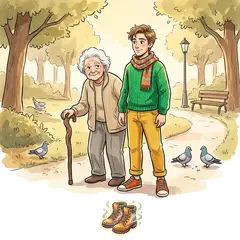
joven
young
¿Y ese joven? ¿Quién es?And that young man? Who is he?
¿Y ese joven? ¿Quién es?And that young man? Who is he?

el maridomasc.
husband
Mi marido. Aquí tiene veinte años.My husband. He is twenty here.
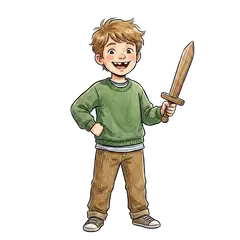
el hermanomasc.
brother
Esta es Lucía con su hermano. Todavía es un bebé.This is Lucía with her brother. He is still a baby.
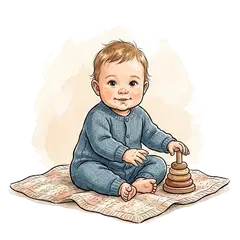
el bebémasc.
baby
Esta es Lucía con su hermano. Todavía es un bebé.This is Lucía with her brother. He is still a baby.
el mesmasc.
month
¿Cuántos meses tiene?How many months old is he?
¿Cuántos meses tiene?How many months old is he?
casi
almost
Seis. Lucía tiene nueve años, casi diez.Six. Lucía is nine, nearly ten.
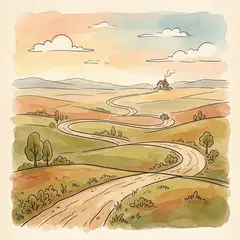
lejos
far
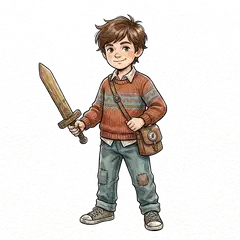
el niñomasc.
boy
¡Michi! ¡La foto! Señora Martín, ¿quién es ese niño?Michi! The photo! Mrs Martín, who is that boy?
¡Michi! ¡La foto! Señora Martín, ¿quién es ese niño?Michi! The photo! Mrs Martín, who is that boy?
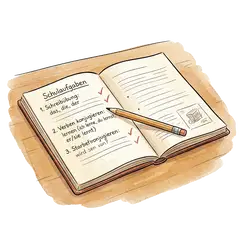
los deberesmasc.
homework
¡Hola! ¿Me ayudas con los deberes?Hello! Will you help me with my homework?
primero / primera
first (ordinal)
Primera pregunta: ¿cuántos años tienes?First question: how old are you?

la preguntafem.
question
Segunda pregunta: ¿tienes hermanos?Second question: do you have siblings?
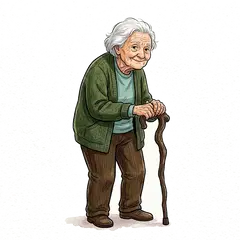
mayor
old (of people)
¡Treinta! ¡Qué mayor!Thirty! How old!
segundo / segunda
second (ordinal)
Segunda pregunta: ¿tienes hermanos?Second question: do you have siblings?
cuándo
when (question)
Tercera pregunta: ¿cuándo es tu cumpleaños?Third question: when is your birthday?

el cumpleañosmasc.
birthday
Tercera pregunta: ¿cuándo es tu cumpleaños?Third question: when is your birthday?
julio
July
El diez de julio.On the tenth of July.
El diez de julio.On the tenth of July.
marzo
March
El mío es el veintiocho de marzo. ¡Este sábado!Mine is the twenty-eighth of March. This Saturday!
sábado
Saturday
El mío es el veintiocho de marzo. ¡Este sábado!Mine is the twenty-eighth of March. This Saturday!

escuchar
listen
sobre
about
Sobre mi vecino. ¡Sobre ti!About my neighbour. About you!
Sobre mi vecina. ¡Sobre ti!About my neighbour. About you!
interesante
interesting
Michi es muy interesante.Michi is very interesting.
enero
January
febrero
February
abril
April
mayo
May
junio
June
agosto
August
septiembre
September
octubre
October
noviembre
November
diciembre
December
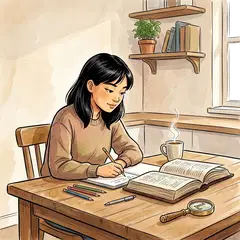
aprender
learn
porque
because
el trabajomasc.
job
Bien. Tengo un trabajo nuevo en Madrid.Well. I have a new job in Madrid.
bonito / bonita
beautiful
Pequeño, pero bonito. Y hay un sofá amarillo en el baño.Small, but nice. And there is a yellow sofa in the bathroom.
Pequeño, pero bonito. Y hay un sofá amarillo en el baño.Small, but nice. And there is a yellow sofa in the bathroom.
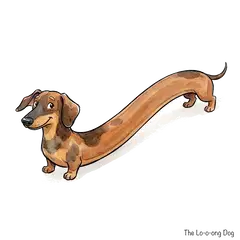
largo / larga
long
Es una historia muy larga.It is a very long story.
Es una historia muy larga.It is a very long story.
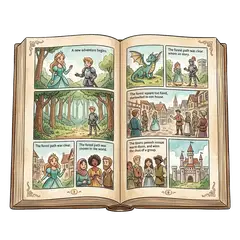
la historiafem.
story
Es una historia muy larga.It is a very long story.
Es una historia muy larga.It is a very long story.

la ciudadfem.
town
¿Te gusta la ciudad? ¿Es grande?Do you like the town? Is it big?
al lado de
next to
No. Es pequeña y antigua, pero muy bonita. Está al lado de un río.No. It is small and old, but very pretty. It is beside a river.
No. Es pequeña y antigua, pero muy bonita. Está al lado de un río.No. It is small and old, but very pretty. It is beside a river.
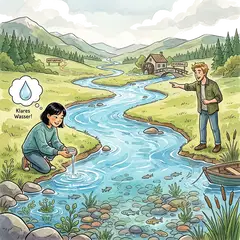
el ríomasc.
river
No. Es pequeña y antigua, pero muy bonita. Está al lado de un río.No. It is small and old, but very pretty. It is beside a river.
No. Es pequeña y antigua, pero muy bonita. Está al lado de un río.No. It is small and old, but very pretty. It is beside a river.
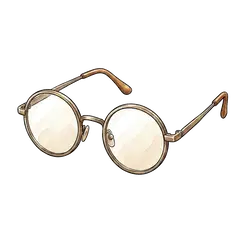
las gafasfem.
glasses
La señora Martín es baja, lleva gafas y lo sabe todo.Mrs Martín is short, wears glasses and knows everything.
La señora Martín es baja, lleva gafas y lo sabe todo.Mrs Martín is short, wears glasses and knows everything.
siempre
always
Clara tiene la cafetería. Siempre dice: ¡Primero, a comer!Clara has the café. She always says: First, time to eat!
Clara tiene la cafetería. Siempre dice: ¡Primero, a comer!Clara has the café. She always says: First, time to eat!
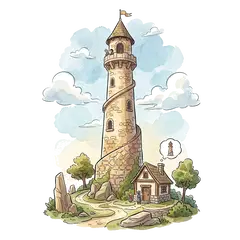
alto / alta
tall, high
Javier, un músico. Es alto, tiene los ojos marrones y el pelo negro y rizado.Javier, a musician. He is tall and has brown eyes and black curly hair.
Javier, un músico. Es alto, tiene los ojos marrones y el pelo negro y rizado.Javier, a musician. He is tall and has brown eyes and black curly hair.
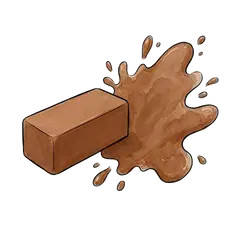
marrón
brown
La señora Martín es baja, lleva gafas y lo sabe todo.Mrs Martín is short, wears glasses and knows everything.
La señora Martín es baja, lleva gafas y lo sabe todo.Mrs Martín is short, wears glasses and knows everything.
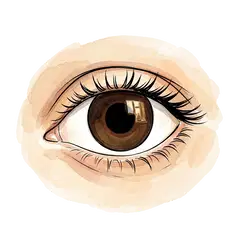
el ojomasc.
eye
Javier, un músico. Es alto, tiene los ojos marrones y el pelo negro y rizado.Javier, a musician. He is tall and has brown eyes and black curly hair.
Javier, un músico. Es alto, tiene los ojos marrones y el pelo negro y rizado.Javier, a musician. He is tall and has brown eyes and black curly hair.

rizado / rizada
curly
El pelo negro y rizado… ¡Un momento!Black curly hair… One moment!
El pelo negro y rizado… ¡Un momento!Black curly hair… One moment!

el pelomasc.
hair (on the head)
El pelo negro y rizado… ¡Un momento!Black curly hair… One moment!
El pelo negro y rizado… ¡Un momento!Black curly hair… One moment!
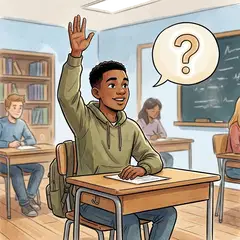
preguntar
ask

el regalomasc.
present
Buscamos un regalo para Lucía. Cumple diez años el sábado.We are looking for a present for Lucía. She turns ten on Saturday.
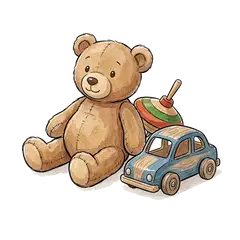
el juguetemasc.
toy
¿Un juguete? Tenemos este gatito.A toy? We have this little cat.
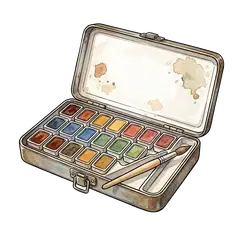
las pinturasfem.
paints
¿O pinturas? Estas son muy buenas.Or paints? These are very good.
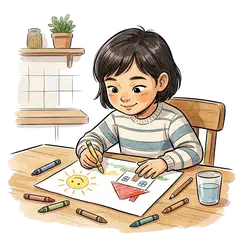
dibujar
draw

el cuaderno de dibujomasc.
sketchbook
¿Y un cuaderno de dibujo?How about a sketchbook?
¿Y un cuaderno de dibujo?How about a sketchbook?
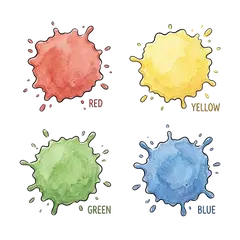
el colormasc.
colour
Amarillo. Le gusta ese color.Yellow. She likes that colour.
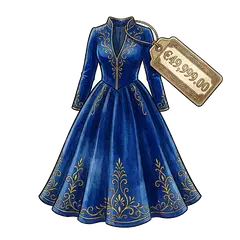
caro / cara
expensive
Es caro. ¿Y el pequeño?It is expensive. And the small one?
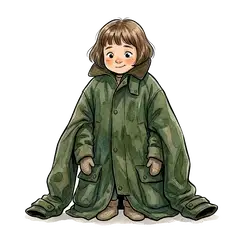
demasiado
too (too big)
Es demasiado pequeño. Lucía pinta mucho.It is too small. Lucía paints a lot.
Es demasiado pequeño. Lucía pinta mucho.It is too small. Lucía paints a lot.
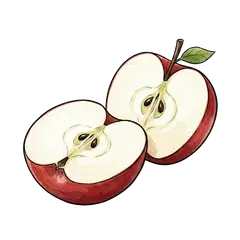
media
half

pagar
pay
¡Feliz cumpleaños!
happy birthday
¡Cumpleaños feliz! ¡Todos juntos!Happy birthday! Everyone together!
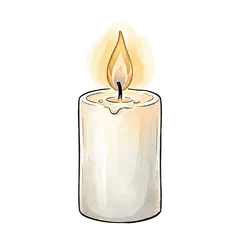
la velafem.
candle
¡Michi! ¡La décima vela!Michi! The tenth candle!
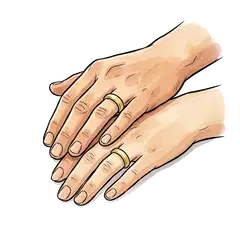
casado / casada
married
Igualmente. ¿Estás casado?Likewise. Are you married?
Igualmente. ¿Estás casada?Likewise. Are you married?
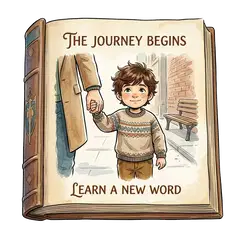
el niño / la niñamasc.
child
Hola. Soy Marta García, la madre de Lucía. ¿Tú eres el vecino nuevo?Hello. I am Marta García, Lucía’s mother. Are you the new neighbour?
Hola. Soy Marta García, la madre de Lucía. ¿Tú eres la vecina nueva?Hello. I am Marta García, Lucía’s mother. Are you the new neighbour?

los padresmasc.
parents
¿Y tus padres? ¿Dónde viven?And your parents? Where do they live?
cuando
when (at the time that: when it rains)

el corte de pelomasc.
haircut
¡Tu pelo! ¡Qué raro!Your hair! How funny!
terrible
terrible

la carafem.
face
Por eso la foto está de cara a la pared.That is why the photo faces the wall.
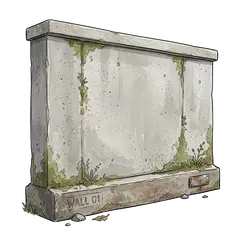
la paredfem.
wall
Por eso la foto está de cara a la pared.That is why the photo faces the wall.
posible
possible
Additional words

el padremasc.
father
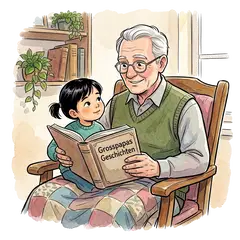
el abuelomasc.
grandfather
Learn el abuelo together: the article shows this noun's grammatical gender.
El abuelo vive aquí.The grandfather lives here.
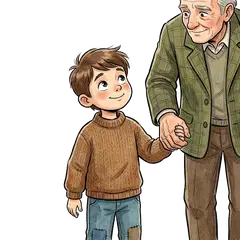
el nietomasc.
grandson
Learn el nieto together: the article shows this noun's grammatical gender.
Mi nieto está aquí.My grandson is here.

la mujerfem.
woman
pequeño / pequeña
little (small and dear)

simpático / simpática
friendly
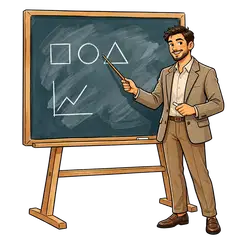
el profesormasc.
teacher

el estudiantemasc.
student

la primaverafem.
spring
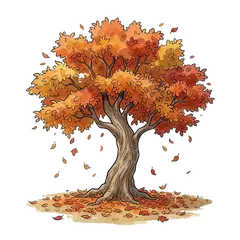
el otoñomasc.
autumn

las vacacionesfem.
holiday

la fiestafem.
party

la barbafem.
beard
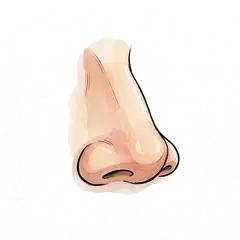
la narizfem.
nose
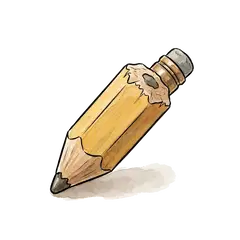
bajo / baja
short
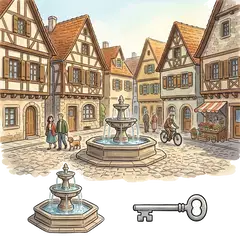
la plazafem.
square (in town)
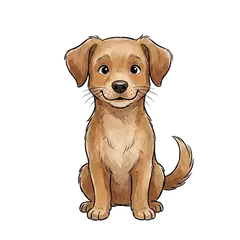
el perromasc.
dog
Learn el perro together: the article shows this noun's grammatical gender.
El perro tiene hambre.The dog is hungry.
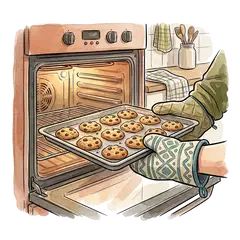
hornear
bake
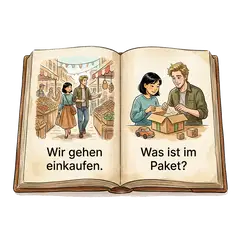
el libromasc.
book
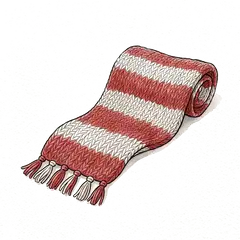
la bufandafem.
scarf
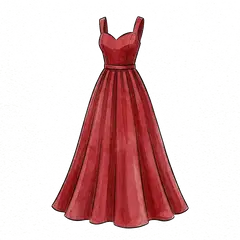
el vestidomasc.
dress

el dependientemasc.
shop assistant
The pictured word is masculine. El dependiente / la dependienta identify the two gender forms.

el invitadomasc.
guest

el platomasc.
plate

sorprendido / sorprendida
surprised

triste
sad

el médicomasc.
doctor
The pictured word is masculine. El médico / la médica identify the two gender forms.
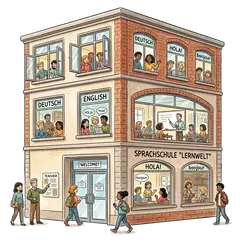
el colegiomasc.
school
El colegio and la escuela both refer to a school. Learn the article with each word.
Practice 1/7 · Pictures
Pictures and words
Match the words to the pictures.
Pictures and words
Match the words to the pictures.
Pictures and words
Match the words to the pictures.
Pictures and words
Match the words to the pictures.
Pictures and words
Match the words to the pictures.
Pictures and words
Match the words to the pictures.
Pictures and words
Match the words to the pictures.
Pictures and words
Match the words to the pictures.
Pictures and words
Match the words to the pictures.
Pictures and words
Match the words to the pictures.
Pictures and words
Match the words to the pictures.
Pictures and words
Match the words to the pictures.
Pictures and words
Match the words to the pictures.
Practice 2/7 · Listening
Listen and choose
Listen and choose the word you hear.
pequeño / pequeña: little (small and dear)
la primavera: spring
la hermana: sister
el profesor: teacher
el estudiante: student
Practice 3/7 · Meanings
What does it mean?
el otoño
el nieto
buscar
el abuelo
pequeño / pequeña
la primavera
Practice 4/7 · Matching
People, things and ideas
Match the pairs.
Practice 5/7 · Fill the gaps
Use the vocabulary together
Fill the gaps with the words from the box.
Mi cumpleaños es el diez julio.
My birthday is on the tenth of July.
Ana tiene el pelo y los ojos .
Ana has black hair and brown eyes.
Quiero el cuaderno .
I want the big notebook.
Practice 6/7 · In situations
What fits the situation?
Choose the right words for the situation.
You recognise Javier as a boy in a photo. What identifies him?
You say:
A physical description helps identify the person.
You recognise Javier as a boy in a photo. What identifies him?
You say:
A physical description helps identify the person.
Practice 7/7 · Fill the gaps
Make the message about yourself
Fill the gaps with the words from the box.
As Lukas
Soy .
I am an engineer.
As Lena
Soy .
I am an engineer.
As Lukas
Soy .
I am German.
As Lena
Soy .
I am German.
Unit complete