Module 6Word reviewPremium
Words of module 6: Around town
Reviews practise both sides: wherever Lukas and Lena would say something differently, you do it once as each.
In this module you learned to
- ask the way and understand simple directions
- buy food at the market in kilos, bottles and pieces, and ask what it costs
- buy a train ticket, ask when and where the train leaves, and understand an announcement
- say where I'm from and where I live now, and how I get somewhere
- say where places are on a map and explain the way
From this module's scenes

el fútbolmasc.
football
Pero es bonito. Hay gente paseando y jugando al fútbol.But it is nice. There are people walking and playing football.
Pero es bonito. Hay gente paseando y jugando al fútbol.But it is nice. There are people walking and playing football.
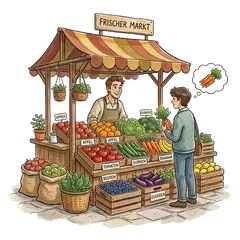
el mercadomasc.
market
Este es el mercado. Los sábados, de siete a una.This is the market. Saturdays, from seven until one.
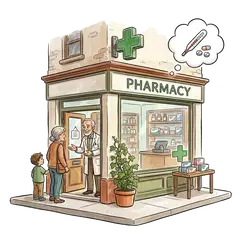
la farmaciafem.
pharmacy
Entre el banco y la farmacia. El supermercado está en la esquina de la estación.Between the bank and the pharmacy. The supermarket is at the station corner.
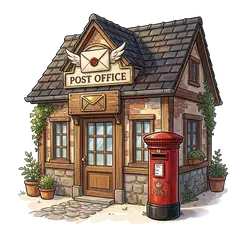
correos
post office
Ahora explíquenos el camino. De aquí a Correos.Now explain the route to us. From here to the post office.
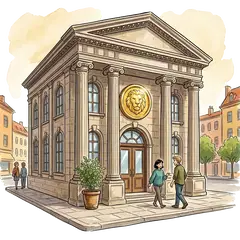
el bancomasc.
bank
Entre el banco y la farmacia. El supermercado está en la esquina de la estación.Between the bank and the pharmacy. The supermarket is at the station corner.
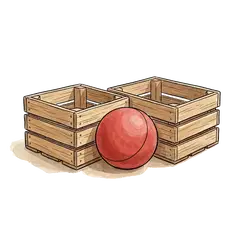
entre
between
Entre el banco y la farmacia. El supermercado está en la esquina de la estación.Between the bank and the pharmacy. The supermarket is at the station corner.
enfrente de
opposite
Mi escuela. Justo enfrente.My school. Right opposite.
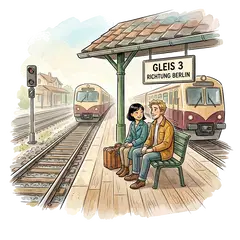
la estaciónfem.
station
¿La estación? ¿Adónde va?The station? Where are you going?
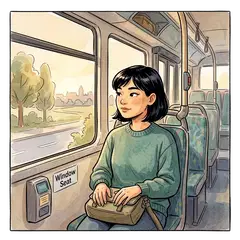
ir en
go (by bus, train or car)
¿La estación? ¿Adónde va?The station? Where are you going?

el lagomasc.
lake
Mañana voy al lago Grande con Tomás. En tren.Tomorrow I am going to the Great Lake with Tomás. By train.
Mañana voy al lago Grande con Tomás. En tren.Tomorrow I am going to the Great Lake with Tomás. By train.
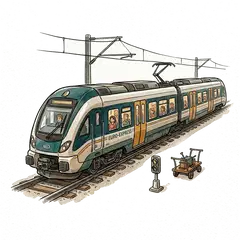
el trenmasc.
train
Yo digo la estación de tren. Esa está lejos.I mean the train station. That one is far.
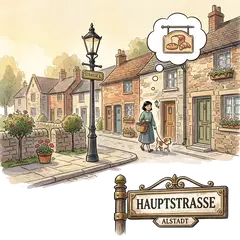
la callefem.
street
Está lejos. Primero a la izquierda, luego todo recto y la segunda calle a la derecha.It is far. First left, then straight on and the second street on the right.
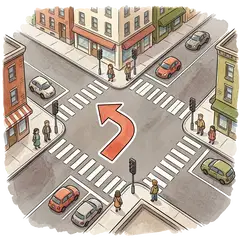
la izquierdafem.
left
Entonces, a la estación de tren. ¿Primero a la izquierda?To the train station, then. Left first?
Entonces, a la estación de tren. ¿Primero a la izquierda?To the train station, then. Left first?
luego
then
¿Lejos? No. A la derecha y luego a la izquierda, en la esquina. ¡Está cerca!Far? No. Right and then left at the corner. It is close!
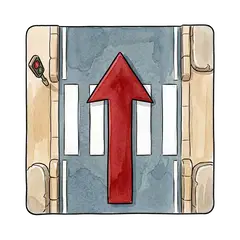
todo recto
straight on
Todo recto. Junto al río. Cinco minutos a pie.Straight on. By the river. Five minutes on foot.
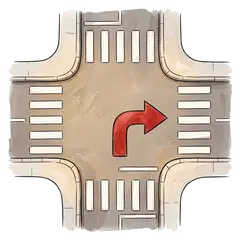
la derechafem.
right
¿Lejos? No. A la derecha y luego a la izquierda, en la esquina. ¡Está cerca!Far? No. Right and then left at the corner. It is close!
cerca
near
¿Lejos? No. A la derecha y luego a la izquierda, en la esquina. ¡Está cerca!Far? No. Right and then left at the corner. It is close!
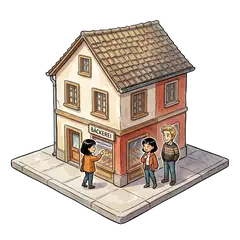
la esquinafem.
corner
¿Lejos? No. A la derecha y luego a la izquierda, en la esquina. ¡Está cerca!Far? No. Right and then left at the corner. It is close!

oír
hear
¡Te oigo!I can hear you!
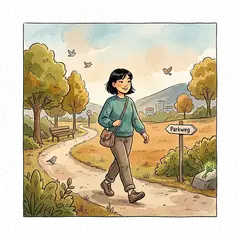
a pie
on foot
Todo recto. Junto al río. Cinco minutos a pie.Straight on. By the river. Five minutes on foot.

el caminomasc.
way (route)
Tres vecinos, tres caminos diferentes.Three neighbours, three different routes.
Tres vecinos, tres caminos diferentes.Three neighbours, three different routes.
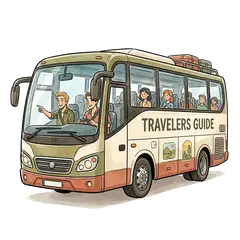
el autobúsmasc.
bus
¡Ah! Yo digo la estación de autobuses. Está a la vuelta de la esquina.Ah! I mean the bus station. It is around the corner.
el centromasc.
centre
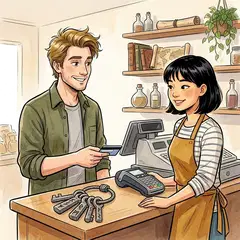
comprar
buy
el kilomasc.
kilo
¿Diez kilos? ¡Qué cantidad!Ten kilos? That is a lot!
¿Diez kilos? ¡Qué cantidad!Ten kilos? That is a lot!
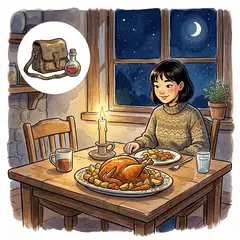
la cenafem.
dinner

el tomatemasc.
tomato
Tomates, patatas, leche y queso. Hoy cocino en casa.Tomatoes, potatoes, milk and cheese. Today I am cooking at home.
Tomates, patatas, leche y queso. Hoy cocino en casa.Tomatoes, potatoes, milk and cheese. Today I am cooking at home.
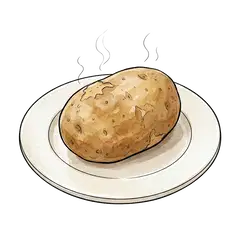
la patatafem.
potato
Tomates, patatas, leche y queso. Hoy cocino en casa.Tomatoes, potatoes, milk and cheese. Today I am cooking at home.
Tomates, patatas, leche y queso. Hoy cocino en casa.Tomatoes, potatoes, milk and cheese. Today I am cooking at home.
¿Algo más?
anything else
Claro. ¿Algo más?Of course. Anything else?

la botellafem.
bottle
Medio kilo de queso y una botella de leche.Half a kilo of cheese and a bottle of milk.
Medio kilo de queso y una botella de leche.Half a kilo of cheese and a bottle of milk.

la chaquetafem.
jacket
¡Los pelos de tu chaqueta! Michi viene todos los sábados.The hairs on your jacket! Michi comes every Saturday.
el planmasc.
plan
Plan B.Plan B.
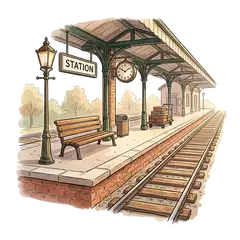
el andénmasc.
platform
Ida y vuelta. ¿Sale del andén dos?Return. Does it leave from platform two?
Ida y vuelta. ¿Sale del andén dos?Return. Does it leave from platform two?
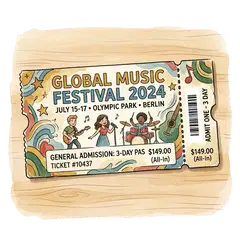
el billetemasc.
ticket
Aquí están nuestros billetes. Ida y vuelta.Here are our tickets. Return.
Aquí están nuestros billetes. Ida y vuelta.Here are our tickets. Return.
ida y vuelta
return (ticket)
¿Y a qué hora vuelve?And what time does it return?
¿Y a qué hora vuelve?And what time does it return?
solo ida
one way (ticket)
¿Solo ida o ida y vuelta?Single or return?
salir
leave
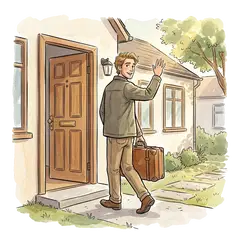
Hoy no sale.It is not running today.

venir
come (by vehicle: come to the capital)
el horariomasc.
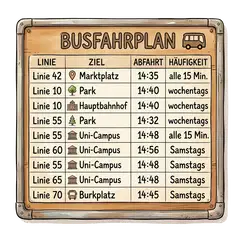
timetable
¿Y a qué hora vuelve?And what time does it return?
¿Y a qué hora vuelve?And what time does it return?
exactamente
exactly
cancelado / cancelada
cancelled
¿Cancelado? ¿Qué significa?Cancelled? What does that mean?
¿Cancelado? ¿Qué significa?Cancelled? What does that mean?
significar
mean
¿Cancelado? ¿Qué significa?Cancelled? What does that mean?
¿Cancelado? ¿Qué significa?Cancelled? What does that mean?
la paradafem.
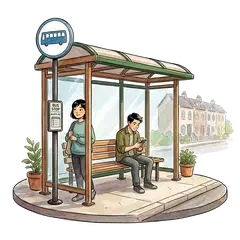
stop (bus stop)
Plan B. Vamos en autobús. El cinco. Sale de esta parada.Plan B. We go by bus. Number five. It leaves from this stop.
seguro / segura
sure, real
Seguro. Está en mi lista.Sure. It is on my list.
el parquemasc.
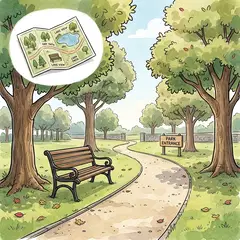
park
¿Un parque? No está en mi lista.A park? It is not on my list.
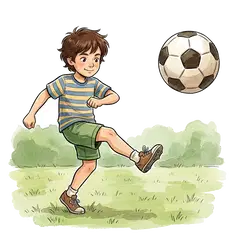
jugar
play (a game, a sport)
Pero es bonito. Hay gente paseando y jugando al fútbol.But it is nice. There are people walking and playing football.
Pero es bonito. Hay gente paseando y jugando al fútbol.But it is nice. There are people walking and playing football.
contar
tell (about)
¡Hola! La abuela me cuenta todo. El domingo, el lago, Michi…Hello! Grandma tells me everything. Sunday, the lake, Michi…
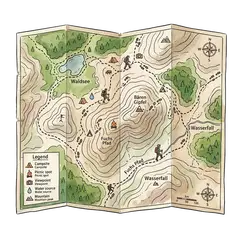
el mapamasc.
map
Esto es para ti. ¡Un mapa de Valdemora! ¡Lo dibujo yo!This is for you. A map of Valdemora! I am drawing it myself!
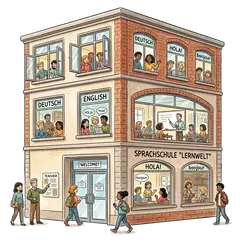
el colegiomasc.
school
El colegio and la escuela both refer to a school. Learn the article with each word.
Mi escuela. Justo enfrente.My school. Right opposite.

el supermercadomasc.
supermarket
Entre el banco y la farmacia. El supermercado está en la esquina de la estación.Between the bank and the pharmacy. The supermarket is at the station corner.
el lugarmasc.
place

el bancomasc.
bench
Y estos son los sitios favoritos de Michi: el mercado, la ventana de Clara, el banco del parque y el lago.And these are Michi’s favourite places: the market, Clara’s window, the park bench and the lake.

el tejadomasc.
roof
¿Qué es esta cruz roja en el tejado? ¿Y la llavecita?What is this red cross on the roof? And the little key?
¿Qué es esta cruz roja en el tejado? ¿Y la llavecita?What is this red cross on the roof? And the little key?
el secretomasc.
secret
¿Qué secreto?What secret?
¿Qué secreto?What secret?
Additional words
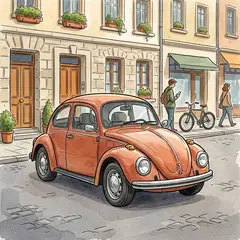
el cochemasc.
car
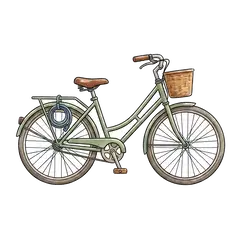
la bicicletafem.
bicycle
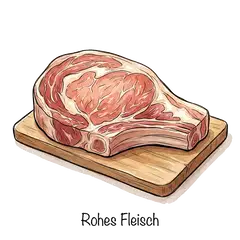
la carnefem.
meat
el gramomasc.
gram
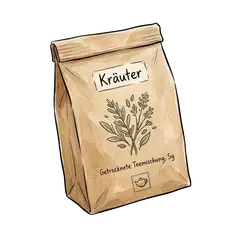
el paquetemasc.
packet

el dependientemasc.
shop assistant
The pictured word is masculine. El dependiente / la dependienta identify the two gender forms.
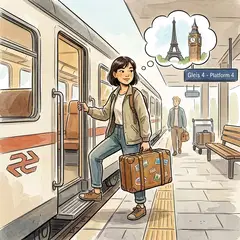
llegar
arrive
cambiar
change

las vacacionesfem.
holiday
el paísmasc.
country
visitar
visit
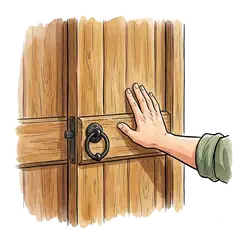
cerrar
close / closed
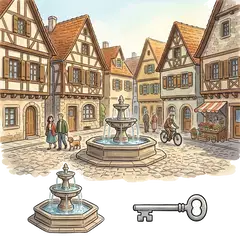
la plazafem.
square (in town)
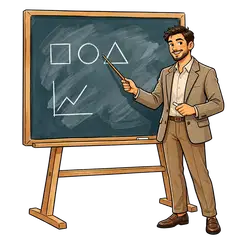
el profesormasc.
teacher

el balcónmasc.
balcony
dentro
inside
Practice 1/7 · Pictures
Pictures and words
Match the words to the pictures.
Pictures and words
Match the words to the pictures.
Pictures and words
Match the words to the pictures.
Pictures and words
Match the words to the pictures.
Pictures and words
Match the words to the pictures.
Pictures and words
Match the words to the pictures.
Pictures and words
Match the words to the pictures.
Pictures and words
Match the words to the pictures.
Practice 2/7 · Listening
Listen and choose
Listen and choose the word you hear.
el mercado: market
el coche: car
llegar: arrive
el gramo: gram
la farmacia: pharmacy
Practice 3/7 · Meanings
What does it mean?
el coche
correos
el mercado
la bicicleta
cambiar
el paquete
Practice 4/7 · Matching
People, things and ideas
Match the pairs.
Practice 5/7 · Fill the gaps
Use the vocabulary together
Fill the gaps with the words from the box.
La farmacia está la esquina.
The pharmacy is on the corner.
Voy en y vuelvo a .
I go by train and return on foot.
¿Los billetes? tengo aquí.
The tickets? I have them here.
Practice 6/7 · In situations
What fits the situation?
Choose the right words for the situation.
A friend asks whether you have both tickets. They are in your bag.
You say:
Billetes is masculine plural.
A friend asks whether you have both tickets. They are in your bag.
You say:
Billetes is masculine plural.
Practice 7/7 · Fill the gaps
Make the message about yourself
Fill the gaps with the words from the box.
As Lukas
Soy aquí.
I am new here.
As Lena
Soy aquí.
I am new here.
As Lukas
Estoy .
I am happy.
As Lena
Estoy .
I am happy.
Unit complete