Module 1Word review
Words of module 1: Arrival
Reviews practise both sides: wherever Lukas and Lena would say something differently, you do it once as each.
In this module you learned to
- greet an older neighbour politely and say my name
- say hello to a child, ask her name, get my key back and ask where something is
- introduce myself in a café, choose coffee or tea, and say if I like something
- knock on a neighbour's door, say that I want to sleep, and ask someone to do something tomorrow
- ask how someone is, and ask where people live
From this module's scenes
buenas noches
good evening (after dark)

nuevo / nueva
new
Buenas noches. ¿Es usted el nuevo vecino?Good evening. Are you the new neighbour?
Buenas noches. ¿Es usted la nueva vecina?Good evening. Are you the new neighbour?
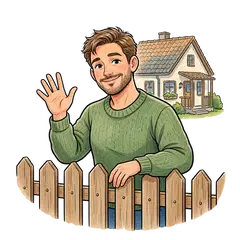
el vecinomasc.
neighbour
Learn el vecino together: the article shows this noun's grammatical gender.
Buenas noches. ¿Es usted el nuevo vecino?Good evening. Are you the new neighbour?
Buenas noches. ¿Es usted la nueva vecina?Good evening. Are you the new neighbour?
sí
yes
Sí. Me llamo Lukas.Yes. My name is Lukas.
Sí. Me llamo Lena.Yes. My name is Lena.
nombremasc.
name
Learn nombre together: the article shows this noun's grammatical gender.
encantado / encantada
nice to meet you
Encantada. Soy Elvira Martín. Esta es mi casa.Nice to meet you. I am Elvira Martín. This is my house.

la casafem.
house
Learn la casa together: the article shows this noun's grammatical gender.
Encantada. Soy Elvira Martín. Esta es mi casa.Nice to meet you. I am Elvira Martín. This is my house.
aquí tiene
here you are (polite)
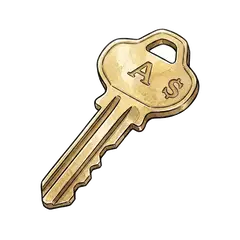
la llavefem.
key
Learn la llave together: the article shows this noun's grammatical gender.
¡Mi llave! ¡Adiós!My key! Goodbye!
¡Mi llave! ¡Adiós!My key! Goodbye!
gracias
thank you
Gracias.Thank you.
Gracias.Thank you.
esto
this (without naming a noun)
quién
who
¿Y quién es ese?And who is that?
¿Y quién es ese?And who is that?
y
and
¿Y quién es ese?And who is that?
¿Y quién es ese?And who is that?
no
no / not
¡Michi! ¡No!Michi! No!

coger
take / pick up
Michi coge la llave.Michi takes the key.

adiós
goodbye
¡Mi llave! ¡Adiós!My key! Goodbye!
¡Mi llave! ¡Adiós!My key! Goodbye!
hola
hello
¡Hola!Hello!

la abuelafem.
grandmother
Learn la abuela together: the article shows this noun's grammatical gender.
Soy Lucía. Elvira es mi abuela. ¿Eres el nuevo vecino?I am Lucía. Elvira is my grandmother. Are you the new neighbour?
Soy Lucía. Elvira es mi abuela. ¿Eres la nueva vecina?I am Lucía. Elvira is my grandmother. Are you the new neighbour?
tener
have
Sí. Me llamo Lukas. ¡Tienes mi llave!Yes. My name is Lukas. You have my key!
Sí. Me llamo Lena. ¡Tienes mi llave!Yes. My name is Lena. You have my key!
de nada
you’re welcome
muy
very
Muy bien. Voy a la cafetería.Good. I am going to the café.
Muy bien. Voy a la cafetería.Good. I am going to the café.
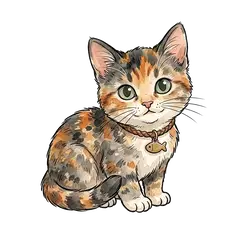
el gatomasc.
cat / tomcat
Learn el gato together: the article shows this noun's grammatical gender.
¡Gato malo!Naughty cat!
¡Gato malo!Naughty cat!
malo / mala
bad / naughty
¡Gato malo!Naughty cat!
¡Gato malo!Naughty cat!
solo
only / just
¡Michi! No es malo. Solo tiene hambre.Michi! He is not naughty. He is just hungry.

tener hambre
be hungry
¡Yo también! Tengo hambre.Me too! I am hungry.
¡Yo también! Tengo hambre.Me too! I am hungry.
también
too / also
¡Yo también! Tengo hambre.Me too! I am hungry.
¡Yo también! Tengo hambre.Me too! I am hungry.

bueno / buena
good
Buenas noches.Good evening.
Buenas noches.Good evening.
aquí
here

la cafeteríafem.
café
Learn la cafetería together: the article shows this noun's grammatical gender.
Abajo. Allí está la cafetería.Downstairs. The café is there.
dónde
where
¿Y dónde está?And where is it?
¿Y dónde está?And where is it?
abajo
downstairs
Abajo. Allí está la cafetería.Downstairs. The café is there.

ir
go
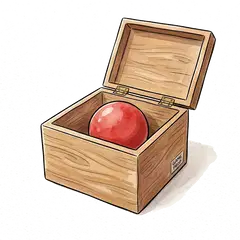
en
in

buenos días
good morning
saber
know a fact
Ahora sí. Es para ti. Tienes mucha hambre. Elvira lo sabe.It is now. It is for you. You are very hungry. Elvira knows.
todo
everything

el cafémasc.
coffee
Learn el café together: the article shows this noun's grammatical gender.
¿Café o té?Coffee or tea?

el témasc.
tea
Learn el té together: the article shows this noun's grammatical gender.
¿Café o té?Coffee or tea?
o
or
¿Café o té?Coffee or tea?
por favor
please
Un café, por favor.A coffee, please.
Un café, por favor.A coffee, please.

el bizcochomasc.
cake
Learn el bizcocho together: the article shows this noun's grammatical gender.
¿Qué tal el bizcocho? ¿Te gusta?How is the cake? Do you like it?
pero
but
Gracias, pero el bizcocho no es para mí.Thank you, but the cake is not for me.
Gracias, pero el bizcocho no es para mí.Thank you, but the cake is not for me.
ahora
now
Ahora sí. Es para ti. Tienes mucha hambre. Elvira lo sabe.It is now. It is for you. You are very hungry. Elvira knows.
ya
already
¡Que aproveche!
enjoy your meal
cómo
how
gustar
like
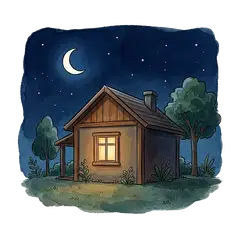
la nochefem.
night
Learn la noche together: the article shows this noun's grammatical gender.
Buenas noches.Good evening.
Buenas noches.Good evening.
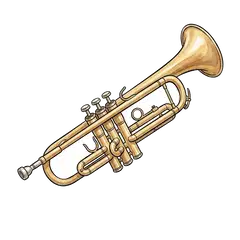
la trompetafem.
trumpet
Learn la trompeta together: the article shows this noun's grammatical gender.
Es de noche. Arriba alguien toca la trompeta.It is night. Someone upstairs is playing the trumpet.
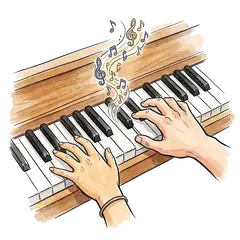
tocar
play an instrument
Sí, claro. Mañana toco.Yes, of course. I will play tomorrow.
arriba
upstairs
Es de noche. Arriba alguien toca la trompeta.It is night. Someone upstairs is playing the trumpet.
vivir
live
Encantado. Me llamo Lukas. Vivo abajo.Nice to meet you. My name is Lukas. I live downstairs.
Encantada. Me llamo Lena. Vivo abajo.Nice to meet you. My name is Lena. I live downstairs.

el músicomasc.
musician
Learn el músico together: the article shows this noun's grammatical gender.
¡Igualmente! Soy músico.Likewise! I am a musician.

lo siento
I’m sorry
¡Uy! Lo siento.Oh! I am sorry.
querer
want
Quiero dormir. ¿Puedes tocar mañana?I want to sleep. Can you play tomorrow?
Quiero dormir. ¿Puedes tocar mañana?I want to sleep. Can you play tomorrow?

dormir
sleep
Quiero dormir. ¿Puedes tocar mañana?I want to sleep. Can you play tomorrow?
Quiero dormir. ¿Puedes tocar mañana?I want to sleep. Can you play tomorrow?
poder
can / be able to
mañana
tomorrow
Sí, claro. Mañana toco.Yes, of course. I will play tomorrow.
bien
well / fine

el amigomasc.
friend
Learn el amigo together: the article shows this noun's grammatical gender.
buenas noches
good night

¿Qué tal?
how are you?
Buenos días. ¿Qué tal?Good morning. How are you?
¿Y tú?
and you? (informal)
no muy bien
not very well
allí
there
Vive allí arriba. La cafetería está abajo.She lives up there. The café is downstairs.
cada
each / every
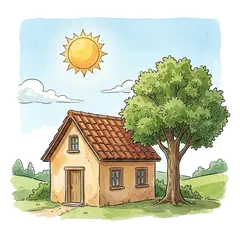
el díamasc.
day
Learn el día together: the article shows this noun's grammatical gender.
Buenos días. ¿Qué tal?Good morning. How are you?
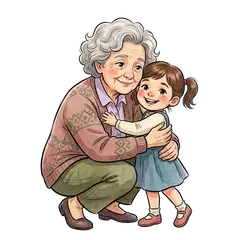
la nietafem.
granddaughter
Learn la nieta together: the article shows this noun's grammatical gender.
No, pero está aquí todos los días. Lucía es mi nieta.No, but she is here every day. Lucía is my granddaughter.

señorafem.
Ms / Mrs, polite address
Learn señora together: the article shows this noun's grammatical gender.
Lo siento, señora Martín.I am sorry, Ms Martín.

el jefemasc.
boss
Learn el jefe together: the article shows this noun's grammatical gender.
Aquí y allí. Arriba y abajo. ¡Michi es el jefe de la casa!Here and there. Upstairs and downstairs. Michi is the boss of the house!
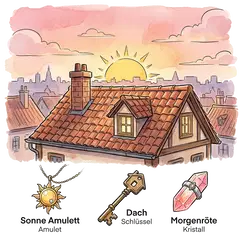
la mañanafem.
morning

la tardefem.
afternoon / early evening
buenas tardes
good afternoon / early evening
Use buenas tardes before night; after dark use buenas noches.
Additional words
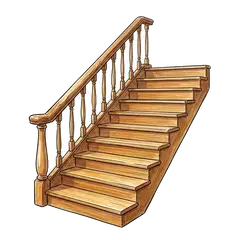
las escalerasfem.
stairs
Learn las escaleras together: the article shows this noun's grammatical gender.
Las escaleras están aquí.The stairs are here.
bienvenido / bienvenida
welcome
¡Bienvenido!Welcome!
¡Bienvenida!Welcome!

el perromasc.
dog
Learn el perro together: the article shows this noun's grammatical gender.
El perro tiene hambre.The dog is hungry.
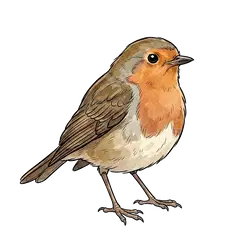
el pájaromasc.
bird
Learn el pájaro together: the article shows this noun's grammatical gender.
El pájaro está arriba.The bird is upstairs.

la niñafem.
girl
Learn la niña together: the article shows this noun's grammatical gender.
La niña es Lucía.The girl is Lucía.
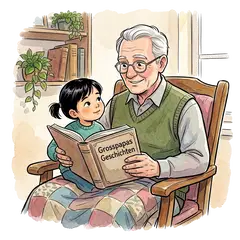
el abuelomasc.
grandfather
Learn el abuelo together: the article shows this noun's grammatical gender.
El abuelo vive aquí.The grandfather lives here.

el zumomasc.
juice
Learn el zumo together: the article shows this noun's grammatical gender.
Un zumo, por favor.A juice, please.

la cervezafem.
beer
Learn la cerveza together: the article shows this noun's grammatical gender.
Una cerveza, por favor.A beer, please.

la músicafem.
music
Learn la música together: the article shows this noun's grammatical gender.
Me gusta la música.I like music.

la canciónfem.
song
Learn la canción together: the article shows this noun's grammatical gender.
Me gusta la canción.I like the song.
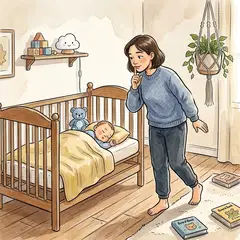
en voz baja
quietly / softly
Toco en voz baja.I play quietly.

alto
loud / loudly
Javier toca muy alto.Javier plays very loudly.
el silenciomasc.
silence
Learn el silencio together: the article shows this noun's grammatical gender.
Quiero silencio.I want silence.

el salónmasc.
living room
Learn el salón together: the article shows this noun's grammatical gender.
Michi está en el salón.Michi is in the living room.

el dormitoriomasc.
bedroom
Learn el dormitorio together: the article shows this noun's grammatical gender.
El dormitorio está arriba.The bedroom is upstairs.
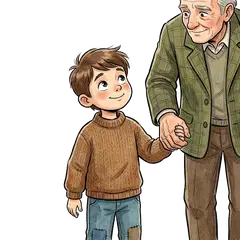
el nietomasc.
grandson
Learn el nieto together: the article shows this noun's grammatical gender.
Mi nieto está aquí.My grandson is here.

contento / contenta
happy
Estoy contento.I am happy.
Estoy contenta.I am happy.
Practice 1/7 · Pictures
Pictures and words
Match the words to the pictures.
Pictures and words
Match the words to the pictures.
Pictures and words
Match the words to the pictures.
Pictures and words
Match the words to the pictures.
Pictures and words
Match the words to the pictures.
Pictures and words
Match the words to the pictures.
Pictures and words
Match the words to the pictures.
Pictures and words
Match the words to the pictures.
Practice 2/7 · Listening
Listen and choose
Listen and choose the word you hear.
el abuelo: grandfather
alto: loud / loudly
la música: music
la niña: girl
la cerveza: beer
Practice 3/7 · Meanings
What does it mean?
la canción
bienvenido / bienvenida
alto
en voz baja
el zumo
el abuelo
Practice 4/7 · Matching
Everyday words in number 7
Match the pairs.
Practice 5/7 · Fill the gaps
People, places and needs
Fill the gaps with the words from the box.
Clara está en la . Quiero un .
Clara is in the café. I want a coffee.
El tiene .
The cat is hungry.
Javier toca la . Quiero .
Javier plays the trumpet. I want silence.
Practice 6/7 · In situations
Choose what helps
Choose the right words for the situation.
You have received a drink from Clara.
You say:
Acknowledge the service with thanks.
You have received a drink from Clara.
You say:
Acknowledge the service with thanks.
A visitor asks you where the cat is. You see him in the living room.
You say:
Give the location the visitor needs.
A visitor asks you where the cat is. You see him in the living room.
You say:
Give the location the visitor needs.
Practice 7/7 · Fill the gaps
Your introduction and how you feel
Fill the gaps with the words from the box.
As Lukas
Soy el nuevo . Estoy .
I am the new neighbour. I am tired.
As Lena
Soy la nueva . Estoy .
I am the new neighbour. I am tired.
As Lukas
Estoy . Encantado.
I am happy. Nice to meet you.
As Lena
Estoy . Encantada.
I am happy. Nice to meet you.
Unit complete